
Milton, GA & North Fulton
Liquidity Event Planning in Milton, GA
In Milton, wealth tends to sit in things that cannot be spent. Twelve acres bought in the nineties. A company with thirty trucks. A block of restricted shares at an employer down GA-400. A horse farm a parent built. Then one transaction turns a large piece of it into cash, almost always in a single tax year, and the family has to make decisions it has never had to make before, on a deadline it did not choose.
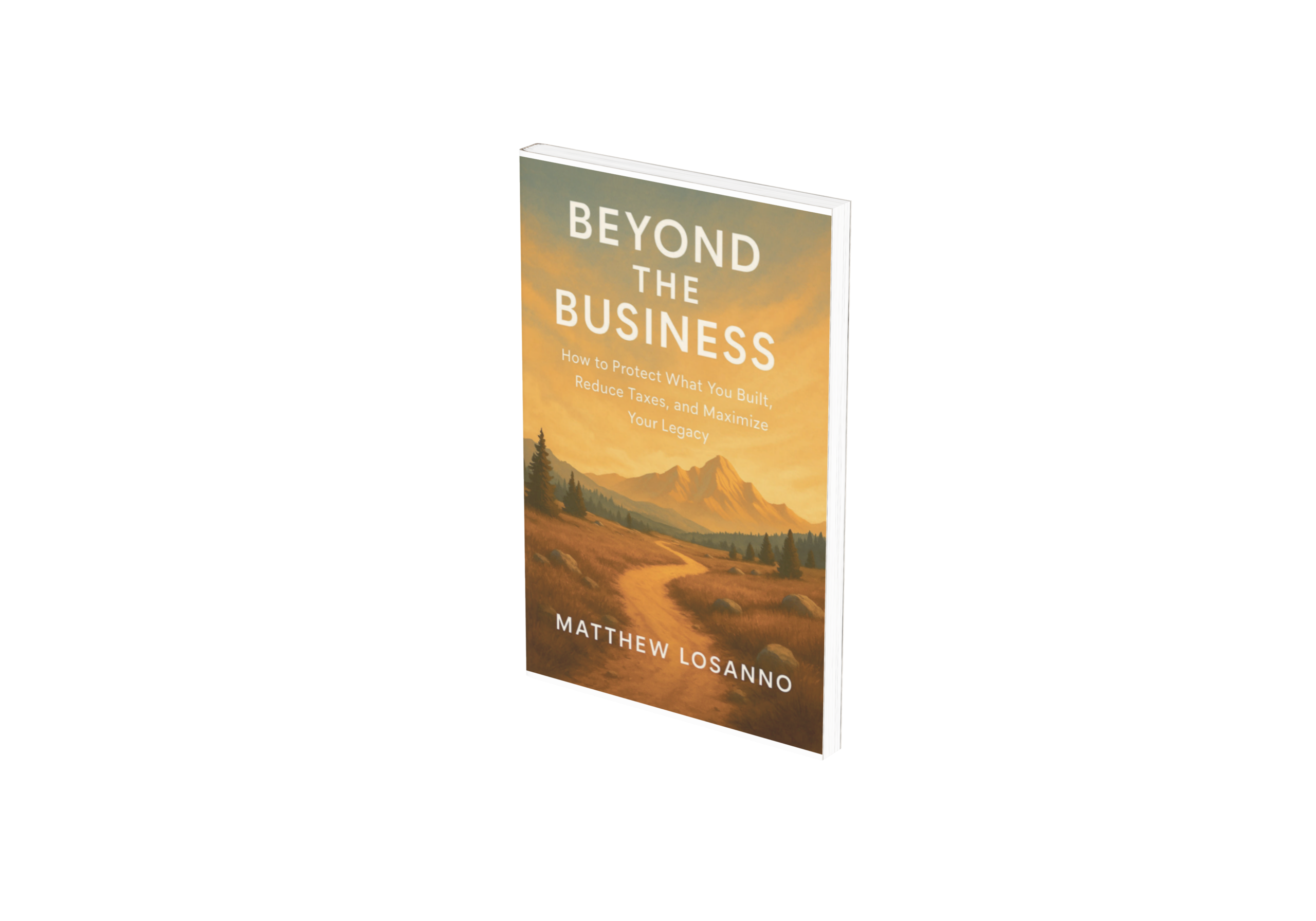
Cinder Wealth is based in Cumming, a short drive north of Milton up Highway 9, and works with Milton and North Fulton families in the months on either side of that transaction. Matt Losanno’s work covers what determines the outcome: the real after-tax figure, the steps that only count if they are finished before signing, how the money is invested when it arrives, and how much of it should be set aside and left alone. Cinder does not prepare returns or draft documents. Matt builds the plan and brings the CPA and the attorney in around it.
The Milton Liquidity Picture
Land, a company, and vested stock. Each one turns into cash on its own terms.
Milton has 6,707 households earning $200,000 or more and a median home value of $789,000, and much of that wealth is held in forms that only convert to cash through a single event. Acreage along Birmingham Highway and Freemanville Road that has appreciated for thirty years gets sold to a builder or transferred to the next generation. A landscape or building company that serves the estates gets bought by a consolidator. Restricted stock granted by an employer in Alpharetta finally vests. A parent’s farm passes to children who do not intend to keep horses.
Every one of those lands in one filing year, and every one comes with a deadline. What can still be done depends on whether the contract is signed, whether the shares have vested, and whether the estate documents were updated before the transfer rather than afterward.
$789,000
Median home value in Milton, 2020 through 2024, U.S. Census Bureau
6,707
Milton households with income of $200,000 or more, U.S. Census Bureau
77.9%
Milton adults with a bachelor’s degree or higher, 2020 through 2024, U.S. Census Bureau
Local
Cinder Wealth is based in Cumming and works with households across North Fulton
Who Matt Works With
Milton families with one large transaction ahead of them
Cinder Wealth serves owners, executives, and families whose coming event is large next to everything else they own. The work does the most good before the agreement is binding, though a household that has already closed and is sitting on the proceeds still has most of the important decisions ahead of it.
The shared feature is a single year that changes the family’s taxes, its investment risk, and its estate plan all at once.

Families Selling Acreage
Households selling land that has appreciated for decades, whether to a builder, a neighbor, or a conservation buyer, where the gain, the basis, a possible like-kind exchange, and the estate plan all have to be worked out before the contract.
Owners Selling to a Consolidator
Owners of home services, trade, and route businesses receiving cash plus platform equity from a private equity-backed buyer, who need to know what the cash leaves after tax and how much of the household now depends on the platform.
Executives With Vesting Equity
Leaders at the large employers along GA-400 holding restricted stock units and options that vest on a schedule, where a single company already represents most of the household’s investment risk.
Owners Selling a Company or a Territory
Founders selling an entire business, a franchise territory, or a group of units, often with a seller note or an earnout that leaves part of the price uncertain for years.
Families Receiving an Inheritance
Children inheriting a farm, a family home on acreage, an investment account, or a business interest, sometimes from a parent who never wrote down what the plan was supposed to be.
Liquidity Planning Areas
What Matt works through with Milton households
Before the Event
What Only Counts If It Comes First
Gifting shares or acreage to children, moving an interest into a charitable vehicle, changing the entity, and funding a trust are all moves that generally must be finished before a binding contract exists, with a comfortable margin. Matt sorts out which apply, how long each takes, and the last responsible date, so the CPA and estate attorney are not compressing a month of work into a week.
The Real Number
What Reaches the Family
Commissions or advisory fees, escrow, adjustments, Georgia and federal tax, depreciation recapture on property, and anything deferred or contingent all come out before the money is the family’s. Matt builds the plan on the amount that is certain, which tends to be smaller than the figure the household has been repeating to itself.
Land Sales
Basis, Recapture, and the Exchange Question
Selling acreage raises its own set of questions: what the basis actually is after decades of ownership and improvements, whether any part was used in a business, whether a like-kind exchange into income property is worth its constraints, and how the proceeds fit the household’s income plan. Matt runs the versions. The CPA and attorney confirm the treatment and the deadlines.
Rollover Equity
Being Paid in Someone Else’s Stock
When a consolidator pays a third of the price in platform shares, the seller ends up with a large, illiquid stake in a company run by other people. Matt builds the household plan on the cash and accounts for the rollover as the investment it is. All investing involves risk, including the possible loss of principal.
Equity Mechanics
ISOs, NSOs, RSUs, and the Calendar
Each kind of equity award carries its own tax rules, and the sequence of vesting, exercising, and selling changes the cash required, the alternative minimum tax picture, and the holding period. Matt maps what each path does to the household. The CPA signs off on the treatment before any exercise.
Charitable Timing
Giving Before the Sale Rather Than After
A family that gives every year usually does better contributing appreciated shares, or an interest in the land or the company, before the transaction than writing checks after it. A donor-advised fund lets the deduction land in the high-income year while the grants go out over time. None of it works once the agreement is binding. The CPA confirms the treatment.
The Income Plan
Turning a Balance Into Monthly Income
A large deposit is not a plan. Matt builds the withdrawal approach, a reserve to cover the next few years of spending, and the allocation for the remainder, so the family knows what the money produces each year rather than only what it totals.
Estate and Family
What Changes After the Money Arrives
A liquidity event usually pushes a family into estate planning it had not needed before. Beneficiary designations, how accounts are titled, and whether a trust now makes sense all have to match the new picture. Cinder does not draft documents. Matt works with the estate attorney so the plan and the paperwork agree.
Why Timing Decides the Result
The best options are gone the day the contract is signed
Liquidity planning is unforgiving about dates. A step taken in March may be worth a great deal, and the identical step taken in June, after the contract, may be worth nothing.
Binding means settled
Transfers of company or land interests, charitable gifts, and most entity changes have to precede a binding agreement to be respected. From that point on, the question is what to do with the proceeds, not how large they will be.
One year, a dozen decisions
The year of the event carries the household through brackets it has never seen, past the thresholds that raise Medicare premiums, into large estimated payments, and sometimes into questions about how recapture and capital gains interact. Sequencing them in advance costs less than handling each as it surfaces.
The concentration survives the closing
Platform equity, an earnout, a restricted position, or a building leased back to the buyer keeps the family exposed to one company after the sale. That exposure should be a deliberate choice with a size attached, not a leftover from the deal terms.
Write the plan before the wire lands
The weeks after a large deposit are the worst time to decide what to do with it. The allocation, the reserve, and the spending rules belong on paper beforehand, agreed to while the household could still think about them calmly.
Based in Cumming
A local advisor for Milton households before and after the event
Cinder Wealth Advisors is based in Cumming, a short drive north of Milton up Highway 9, and serves owners, executives, and families across Milton, Alpharetta, Roswell, Canton, and the rest of North Fulton. Matt Losanno founded the firm after years of watching families with a CPA, an attorney, and an investment professional who each did their job and never compared notes.
A liquidity event is where that silence costs the most. Matt builds the household model, lists what has to be finished before the closing, and makes sure the people responsible for the filings and the documents have what they need in time. The first meeting is usually about what is coming and how many months are left before it does.
Cinder Wealth is a fee-based advisory firm. Advisors may earn commissions on some insurance products.

Common Questions
Liquidity event questions from Milton households
Straight answers about what counts, how early to start, and what happens to the proceeds once they arrive.
What counts as a liquidity event for a Milton family?
Any single transaction that converts a large illiquid asset into cash or marketable securities: selling acreage or a farm, selling a company or a territory, a recapitalization, a large block of vesting equity, or an inheritance. The common feature is one year that changes the household’s taxes, investment risk, and estate plan at the same time.
How early should I start?
Before anything is signed, and a year ahead is not too early. Gifts, charitable transfers, and entity changes only count if they are complete before the agreement is binding. After the closing there is still plenty to do, but it concerns the proceeds rather than their size.
We are selling land we have owned for thirty years. What should we know first?
That the tax result depends on facts most families have not pulled together: the original basis, improvements, any business use, whether part of the property was depreciated, and whether the household wants to exchange into income property rather than take the cash. Matt organizes those questions. The CPA confirms the treatment and the attorney handles the contract.
A buyer is paying part of the price for my company in their stock. How do I treat that?
As a stake in a business you do not run, which becomes liquid only if and when the platform is sold again. Matt plans the household on the cash that is certain and books the rollover as upside, which usually makes clear how hard to negotiate for cash at close.
The money already arrived and it is sitting in cash. Is it too late?
No. The pre-signing opportunities have passed, but the income plan, the reserve, the allocation, the estimated payments for the year of sale, and the estate updates are all still ahead. Holding cash for a long time has a cost, and so does investing all of it quickly without a written plan.
Should I sell my employer stock all at once or gradually?
That turns on how large the position is next to everything else, what selling costs in tax, any trading windows or insider rules that still apply, and what the household needs the money to do. Matt builds the schedule around those limits. The CPA confirms the tax treatment. All investing involves risk, including the possible loss of principal.
We inherited a farm. Do we have to decide quickly?
Usually not as quickly as it feels. The property receives a new basis at death, which changes the tax math on any sale, and the estate has its own timeline. Deciding whether to keep, sell, or divide it deserves a plan that includes the rest of the family’s finances. Matt builds that plan and works with the estate attorney and the CPA on the specifics.
Do you hold the proceeds?
Investment advisory services are offered through Csenge Advisory Group, LLC, a registered investment advisor, and assets are held at a third-party custodian. Cinder Wealth Advisors is not affiliated with Csenge Advisory Group, LLC. Matt will explain the arrangement and how he is compensated before anything is implemented.
Talk to Matt
Plan the event before it is already decided
If a land sale, a company sale, a vesting date, or an inheritance is on the horizon for your Milton household, start with a conversation about what is coming and how much time is left.
Related Pages
The information presented on this page is for educational purposes only and does not constitute personalized financial, tax, or legal advice, or a recommendation to buy or sell any security. Cinder Wealth is not a licensed tax professional. All strategies discussed should be evaluated with your own CPA, attorney, and qualified financial advisor before implementation. All investing involves risk, including the possible loss of principal. Investment Advisory Services are offered through Csenge Advisory Group, LLC, a registered investment advisor. Cinder Wealth Advisors is not affiliated with Csenge Advisory Group, LLC.