
Alpharetta, GA & North Fulton
Liquidity Event Planning in Alpharetta, GA
For most of an Alpharetta owner’s career, the money is illiquid. It sits in the company, in vested shares that cannot be sold yet, in an option grant with a strike price and a window. Then a single event converts all of it to cash, usually in one tax year, and every habit built over twenty years of reinvesting stops applying.
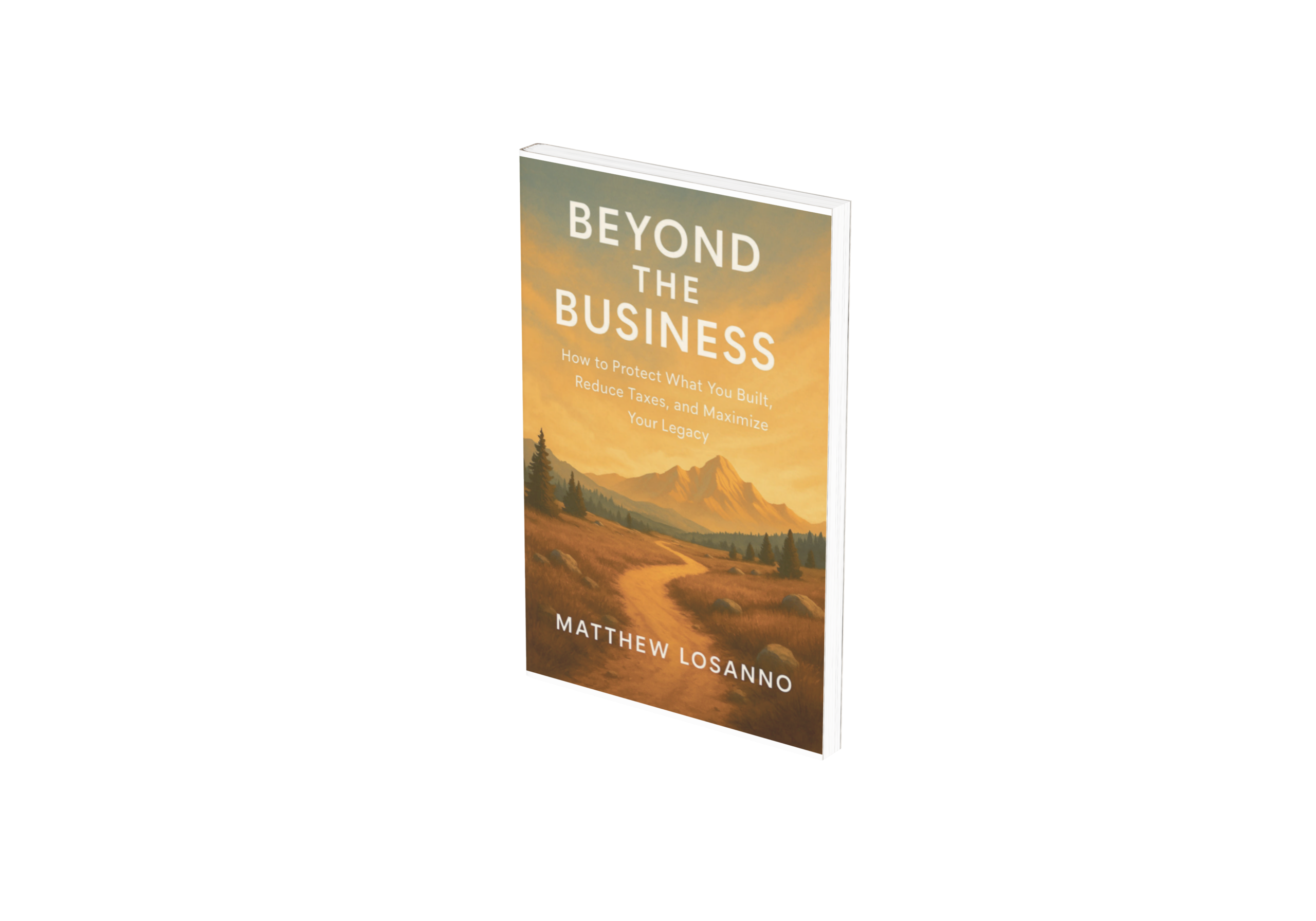
Cinder Wealth is based in Cumming, a short drive up GA-400, and works with owners and executives across Alpharetta and North Fulton on the planning around that event. Matt Losanno works on the questions that decide the outcome: what the after-tax proceeds actually are, what has to be done before the transaction rather than after, how the money gets invested once it lands, and how much of it needs to be untouchable. He does not prepare returns or draft legal documents. He builds the plan and coordinates the CPA and attorney around it.
The Alpharetta Liquidity Picture
One year of income can undo twenty years of saving.
Alpharetta produces liquidity events at an unusual rate for a city its size. Roughly 700 technology companies operate inside the city limits, the fintech employers along the GA-400 corridor issue equity as a matter of course, and more than 11,000 residents work in computer and mathematical roles where restricted stock and options are ordinary compensation. Add the professional firms and specialty contractors that get acquired or recapitalized, and a large share of local households will handle one very large year at some point.
That year behaves differently from every year before it. Brackets, Medicare premium thresholds, estimated payments, state sourcing, charitable timing, and investment concentration all move at once. The decisions that matter most are the ones available before the money arrives, and they close quickly.
$649,000
Median home value in Alpharetta, 2020 through 2024, U.S. Census Bureau
9,382
Alpharetta households with income of $200,000 or more, U.S. Census Bureau
700+
Technology companies operating in Alpharetta, Alpharetta Economic Development
Local
Cinder Wealth is based in Cumming and works with owners across North Fulton
Who Matt Works With
Alpharetta households facing one very large year
Cinder Wealth typically works with owners whose companies generate $500,000 or more in annual profit, and with executives and founders whose equity has grown large enough that a single transaction changes the family’s finances permanently.
The work is most useful in the window before the event, when structure, timing, and charitable or estate decisions are still open. It remains useful afterward, when the question shifts from what to do to where to put it.

Founders Selling a Company
Owners whose sale, recapitalization, or partner buyout will convert most of their net worth to cash in a single tax year, with the structure still being negotiated.
Executives With Vesting Equity
Employees at the large Alpharetta employers holding restricted stock units, options, or an employee stock purchase plan that has quietly become the largest position in the household.
Owners Taking Chips Off the Table
Owners doing a partial sale or a private equity recapitalization who will keep running the business while holding rollover equity alongside the cash.
Families Receiving an Inheritance
Households absorbing a large transfer where the accounts arrive with tax characteristics, deadlines, and beneficiary rules already attached to them.
Owners Who Have Already Closed
Families who received the wire, put it in a money market account, and now need a deliberate plan rather than a temporary one that has lasted eight months.
Liquidity Planning Areas
What Matt reviews with Alpharetta households
Before the Event
The Window That Closes First
Charitable structures, gifts of company interests, entity changes, and trust funding generally have to be complete before a binding agreement, and in some cases well before, or the tax result changes. Matt maps what has a deadline and how much runway each item needs so the CPA and estate attorney can act while there is still time.
The Real Number
Proceeds After Tax, Fees, and Holdbacks
The purchase price is not what reaches the household. Transaction fees, escrow, working capital adjustments, state and federal tax, and any contingent portion all come out first. Matt builds the model on what is actually certain, so the family is planning around a number that will not move.
Concentration
Selling Down a Single Position
A restricted stock position or rollover stake that has grown to half the household’s assets carries risk that has nothing to do with how good the company is. Reducing it involves tax cost, trading windows, insider rules, and sometimes agreements with the buyer. Matt builds the schedule. All investing involves risk, including the possible loss of principal.
Equity Mechanics
Options, RSUs, and Exercise Timing
Incentive options, non-qualified options, and restricted stock units are taxed differently and interact differently with a liquidity event. Exercise timing affects cash needed, alternative minimum tax exposure, and holding period. Matt models the household effect. The CPA confirms the tax treatment before an exercise.
Charitable Timing
Appreciated Shares and Donor-Advised Funds
Households that already give often get a materially better result contributing appreciated shares before a sale rather than cash afterward, and a donor-advised fund can separate the timing of the deduction from the timing of the grants. Both depend on acting before the transaction is binding. The CPA confirms the treatment.
The Income Plan
Turning a Balance Into a Paycheck
A large cash balance is not a plan. Matt builds the withdrawal approach, the reserve for the next few years of spending, and the allocation for the rest, so the family knows what the money produces annually rather than only what it totals.
Estate and Family
Trusts, Beneficiaries, and What Transfers
A liquidity event usually moves a family into estate planning territory it was not in before. Beneficiary designations, account titling, and trust structures all need to match the new picture. Cinder does not draft legal documents. Matt works with the estate attorney so the financial plan reflects what they put in place.
After the Close
The First Twenty-Four Months
The period right after a liquidity event is when the most avoidable mistakes happen: large purchases made quickly, investments taken on relationship rather than merit, and requests from people who read the announcement. A written plan made before the money arrives is the most reliable protection against all three.
Why Timing Decides the Result
Almost every good option expires at signing
Liquidity planning is unusual in how sharply the available choices narrow. The same action taken three months earlier can produce a materially different result, and taken three months later can produce none at all.
Once it is binding, it is mostly settled
Charitable transfers, gifts of company interests, and several entity moves have to happen before a binding agreement to be respected. After that point the planning conversation becomes about what to do with the proceeds rather than how large they are.
One year is not the same as one decision
A liquidity event compresses brackets, Medicare premium thresholds, estimated payments, and state sourcing into a single filing. Handling each item separately as it comes up produces a worse result than sequencing them together in advance.
Concentration does not end at the closing table
Rollover equity, an earnout, or a restricted position keeps the household exposed to one company after the sale. That exposure should be a deliberate choice with a size attached to it, not a leftover from the deal structure.
The plan should be written before the money lands
Decisions made in the weeks after a wire arrives are made under conditions no one plans well in. Writing the allocation, the reserve, and the spending plan down beforehand is what keeps the outcome deliberate.
Based in Cumming
A local advisor for Alpharetta households before and after the event
Cinder Wealth Advisors is based in Cumming, a short drive up GA-400 from Windward, and works with owners, founders, and executives throughout Alpharetta, Milton, Roswell, Johns Creek, and the rest of North Fulton. Matt Losanno founded the firm after watching capable CPAs, attorneys, and investment professionals each handle one piece of a family’s picture with nobody responsible for connecting them.
Around a liquidity event that connecting role decides the outcome. Matt builds the household model, identifies what has to be done before the transaction closes, and works with the professionals responsible for the tax filings and the legal documents. Most relationships begin with a conversation about what is coming and how much time is left before it does.
Cinder Wealth is a fee-based advisory firm. Advisors may earn commissions on some insurance products.

Common Questions
Liquidity questions from Alpharetta households
Straight answers about what can still be done, who decides what, and how much lead time each piece actually requires.
What counts as a liquidity event?
Any transaction that converts a large illiquid holding into cash. Most often that is the sale of a business, a private equity recapitalization, or a partner buyout. It also covers a vesting event or public offering that frees up company stock, the exercise and sale of a large option position, or a substantial inheritance.
How early should I start planning?
Before anything is binding. Charitable structures, gifts of company interests, and certain entity moves have to be complete beforehand to be respected, and some require months. Six to twelve months ahead is comfortable. Planning after a letter of intent is still worthwhile, it is just working with fewer options.
I already closed and the money is sitting in cash. Is it too late?
No. The pre-transaction planning window has passed, but the larger decisions are still ahead: how much stays liquid, what the portfolio looks like, what the withdrawal plan is, what the estate documents need to say, and what the tax picture looks like for the following year. Cash sitting undeployed with no plan is a decision being made by default.
Should I sell my company stock all at once or over time?
That depends on the size of the position relative to everything else, the tax cost of selling, any trading windows or insider restrictions, and how much of the household’s plan depends on that one company. Matt builds a written schedule so the decision is not revisited every time the stock moves.
How do I handle charitable giving around a sale?
Contributing appreciated shares before a transaction is binding usually produces a better result than giving cash afterward, and a donor-advised fund lets the timing of the deduction be separated from the timing of the grants. Both require acting early. Your CPA confirms the deduction and your attorney handles any structure.
Will this push me into a different tax situation permanently?
Usually the largest effects are concentrated in the transaction year, but some carry forward. Medicare premium surcharges are assessed on a two-year lookback, estimated payment requirements change, and a larger portfolio produces ongoing taxable income. Your CPA calculates all of it. Matt makes sure it is anticipated rather than discovered.
Do you take custody of the proceeds?
Investment advisory services are offered through Csenge Advisory Group, LLC, a registered investment advisor, and assets are held at a third-party custodian. Cinder Wealth Advisors is not affiliated with Csenge Advisory Group, LLC. Matt will explain the arrangement and how he is compensated before anything is implemented.
What size event does this apply to?
There is no single threshold. The planning becomes worthwhile when the event is large enough that the tax result, the concentration, and the household’s long-term plan are all affected at once, which is where handling the pieces separately starts creating problems. The first conversation is meant to determine that.
Talk to Matt
Plan the event while the options are still open
If a sale, a recapitalization, or a large vesting event is somewhere on your calendar, start with a conversation about the timing and what still has room to be decided.
Related Pages
The information presented on this page is for educational purposes only and does not constitute personalized financial, tax, or legal advice, or a recommendation to buy or sell any security. Cinder Wealth is not a licensed tax professional. All strategies discussed should be evaluated with your own CPA, attorney, and qualified financial advisor before implementation. All investing involves risk, including the possible loss of principal, and past performance does not guarantee future results. Investment Advisory Services are offered through Csenge Advisory Group, LLC, a registered investment advisor. Cinder Wealth Advisors is not affiliated with Csenge Advisory Group, LLC.