
Milton, GA & North Fulton
Business Owner Compensation Planning in Milton, GA
A Milton owner’s compensation usually has to do two jobs at once: run a household with a large property attached to it, and keep the company funded through the slow months. The salary was set years ago when the CPA suggested a number. Distributions come out when the operating account allows. The 401(k) was whatever the payroll company offered. A spouse handles the books at a figure nobody has revisited. None of it was designed, and the household’s spending has grown into whatever it produces.
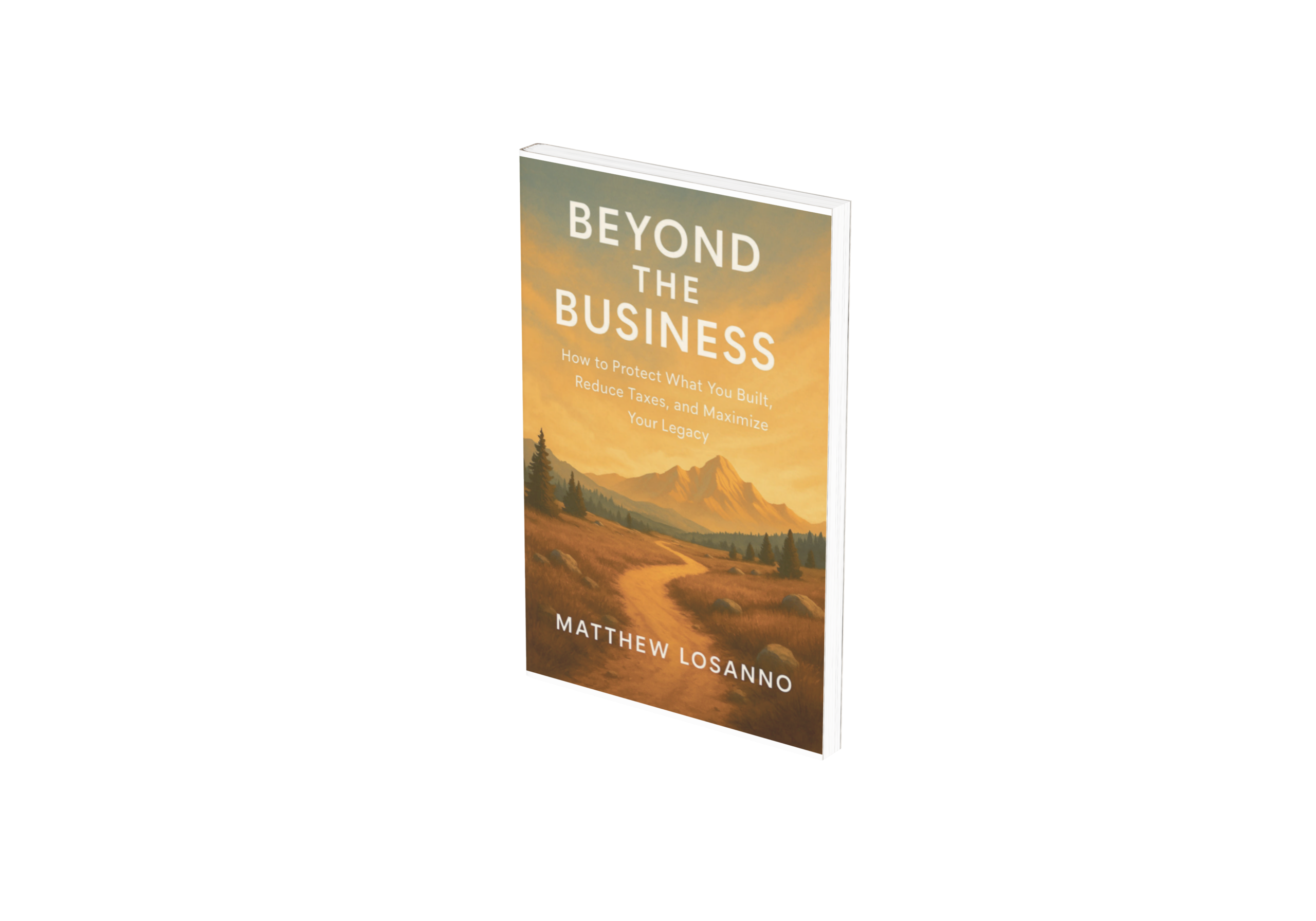
Cinder Wealth is based in Cumming, a short drive north of Milton up Highway 9, and works with profitable Milton and North Fulton owners on how they actually get paid. Matt Losanno reviews salary, distributions, retirement contributions, benefits, family payroll, rent from an owner-held building, and the cash the company keeps, and treats them as one structure rather than seven separate habits. Cinder does not run payroll or prepare returns. Matt models what each change does to the household and brings the result to the CPA and attorney who confirm the tax and legal requirements.
The Milton Owner Picture
High earners, large households, and pay that was never designed.
Milton’s per capita income is $88,928 and 6,707 of its 15,225 households earn $200,000 or more. A large share of that is owner compensation from companies that operate outside the city: trade and landscape businesses serving the estates, professional firms in Alpharetta, franchise groups across North Fulton and Cherokee, and technology companies run by founders who moved here for the schools and the acreage.
Those owners are also hiring against the large employers along GA-400, which affects the calculation. What the owner takes home, what the retirement plan offers a foreman or an associate, and what it would take to keep the general manager are one decision seen from three angles. Made separately, they tend to work against each other.
$88,928
Per capita income in Milton, 2020 through 2024, U.S. Census Bureau
6,707
Milton households with income of $200,000 or more, U.S. Census Bureau
15,225
Households in Milton, 2020 through 2024, U.S. Census Bureau
Local
Cinder Wealth is based in Cumming and works with owners across North Fulton
Who Matt Works With
Milton owners paying themselves the way they did five years ago
Cinder Wealth’s clients typically own companies producing $500,000 or more in annual profit. Compensation work pays off once the business is reliably profitable and the owner’s draw, the retirement plan, and what the crew or staff expect have all moved past the arrangement set up in the early years.
A fifteen-person landscape company and a forty-person engineering firm face the same question: is the owner paid in a way that serves the household, the company, and an eventual sale all at once, or only one of the three.

Trade and Estate Service Company Owners
Builders, landscape and pool contractors, and equipment-heavy service businesses with seasonal cash flow, a crew to retain, and owners who need a draw that survives the winter.
S Corporation Owners
Owners of consultancies, agencies, and service companies running the same salary and distribution split for years without checking it against current profit, reasonable compensation standards, or retirement plan limits.
Franchise Groups Paid Through Several Entities
Operators drawing from multiple locations through multiple entities, often with family on payroll, where compensation, retirement contributions, and benefits have to be coordinated across all of them.
Owners Who Hold the Company’s Real Estate
Owners collecting rent from the business through a separate entity, where rent, salary, and distributions together set the tax result and what a buyer eventually sees.
Owners a Few Years From a Sale
Owners approaching a sale or an internal transfer who need compensation cleaned up so the financials show what the company really earns and a buyer or successor can underwrite it.
Compensation Planning Areas
What Matt reviews with Milton owners
Salary and Distributions
Finding the Right Split
For an S corporation owner, where the line falls between salary and distributions determines payroll tax, how much can go into the retirement plan, the qualified business income deduction, and whether the IRS will accept the salary as reasonable. Matt shows the household result of each version. The CPA settles the figure and reports it.
Seasonal Cash Flow
A Draw That Survives the Slow Months
Landscape, pool, and building companies earn most of the year’s profit in a few months. An owner draw set for June can break the company in January. Matt builds the compensation schedule around the business’s actual cash cycle and the household’s fixed costs, so neither side runs short.
Retirement Plan Design
How Much the Owner Can Really Put Away
The plan the payroll company set up is seldom the one that maximizes the owner’s contribution. Safe harbor provisions, profit-sharing formulas, and how the workforce is covered all set the ceiling. Matt works through the design with the CPA and a qualified retirement plan professional.
Cash Balance Plans
When the Extra Complexity Is Worth It
A cash balance plan can let a high-income Milton owner contribute far more than a 401(k) alone, particularly when the owner is older than most of the workforce. It brings actuarial, funding, and administrative requirements that last for years and should be modeled with a plan actuary and reviewed by the CPA before adoption.
Family Payroll
Paying a Spouse or a Child Properly
Plenty of Milton companies have a spouse keeping the books or an adult child on a crew. Handled correctly, that opens retirement contributions and benefits for the family. Handled loosely, it draws attention. Matt fits the question into the household plan. The CPA and attorney set what the role and the pay have to be.
Rent and the Building
Compensation Through Real Estate
An owner who holds the yard or office in a separate entity is partly paid through the rent the company sends it. That rent moves the tax result, the profit a buyer will see, and the income the family keeps once the business is sold. Matt treats it as one piece of the whole. The CPA confirms the treatment.
Benefits and Insurance
Coverage the Household Is Counting On
Health coverage, disability insurance, life insurance owned by the business, and key person coverage are compensation decisions with tax consequences. Matt reviews what is in place against what the family actually depends on. Advisors may earn commissions on some insurance products, and Matt will say so before anything is implemented.
Key Employee Compensation
Keeping the People Who Run the Company
A general manager, a lead estimator, or a senior associate who could be hired away by a larger employer needs a reason to stay short of ownership. A results-based bonus, deferred compensation, and phantom equity each cost something and are taxed in their own way. Matt models the choices. The attorney drafts whatever is agreed.
Why It Has to Be One System
Change one piece of owner pay and the rest moves
Salary sets the retirement contribution limit. The plan sets what the crew costs. Rent sets the profit a buyer sees. Adjusting any one without the others produces an outcome nobody chose.
Salary is more than a tax question
A lower salary cuts payroll tax and raises distributions, but it also lowers retirement plan room, the disability coverage a carrier will write, and the figure a lender or buyer will underwrite. The right number balances all of those.
The retirement plan does two jobs
It is how the owner saves and how the company competes for people. A design that maximizes the owner’s contribution but costs more in staff contributions than expected is the usual result when the two are decided apart.
Cash left in the company is a portfolio decision
Money kept in the business is money invested in the business. Some is needed for operations and equipment. Beyond that, it adds to a position that already holds most of the family’s net worth, next to a large property that holds most of the rest.
Today’s pay structure shows up in tomorrow’s price
A buyer or a successor normalizes owner compensation before valuing the company. The cleaner that picture is, the easier the valuation conversation becomes.
Based in Cumming
A local advisor for Milton owners rethinking how they are paid
Cinder Wealth Advisors is based in Cumming, a short drive north of Milton up Highway 9, and serves business owners across Milton, Alpharetta, Roswell, Canton, and the rest of North Fulton. Matt Losanno founded the firm after noticing that the owners he met each had a CPA, an attorney, and a broker doing competent work in three separate conversations.
Owner pay is where that shows up first. The CPA picked the salary, the payroll company picked the plan, the agent sold the coverage, and no one has looked at the total. Matt models the whole structure, finds the pieces working against each other, and coordinates the CPA, the plan professionals, and the attorney on the changes. The relationship usually starts with a review of the current setup and the next three years.
Cinder Wealth is a fee-based advisory firm. Advisors may earn commissions on some insurance products.

Common Questions
Compensation questions from Milton owners
Straight answers about salary, distributions, seasonal draws, family payroll, and where Cinder fits next to the CPA.
How much salary should a Milton S corporation owner take?
Enough to meet the IRS standard of reasonable compensation for the work performed, set with retirement plan limits, the qualified business income deduction, payroll tax, and insurance coverage in view. There is no single correct figure. Matt models the household result of different splits. The CPA confirms the number and reports it.
Does Cinder Wealth handle payroll or file returns?
No. Cinder Wealth is neither a payroll provider nor a tax preparer. Matt designs the compensation model and works with the CPA and payroll provider who carry it out. Tax advice, calculations, and filings stay with the CPA.
My company earns most of its profit in the spring and summer. How should I pay myself?
Around the cash cycle rather than a flat monthly figure that fits June and starves January. Matt builds a draw schedule from the company’s real seasonality and the household’s fixed costs, including the property, so the business keeps a reserve and the family is not borrowing in the off-season.
Is a cash balance plan a fit for my business?
It depends on the owner’s age, the workforce, how steady profit is, and how long the company can commit to funding it. For a consistently profitable Milton company whose owner is in their fifties with a younger crew, it is often worth modeling. It should be designed with a plan actuary and reviewed by the CPA before adoption.
My spouse works in the business. Is paying them a problem?
Not when the role is real and the pay fits it. Family payroll can support retirement contributions and benefits for the household, and it can also draw scrutiny when the job does not exist. Matt puts the question next to the overall plan. The CPA and attorney confirm what the role and the compensation need to look like.
Should I raise the rent my company pays me for the yard or office?
Only to a level that would hold up as market rent, and only after seeing what the change does to the tax result, the profit a buyer will see, and the income the family keeps after a sale. Matt runs it through the whole compensation picture. The CPA confirms the treatment.
How do I keep my general manager without giving up ownership?
A bonus tied to results, a deferred compensation arrangement, or phantom equity can reward a key person without handing over shares. Each carries a cost, a vesting schedule, and its own tax treatment. Matt models them against the company’s cash. The attorney drafts the agreement and the CPA confirms the treatment.
How often should owner pay be reviewed?
Once a year, and again whenever profit shifts materially, a partner comes in, a building is purchased, or a sale appears on the horizon. Limits, tax rules, and the company all change, and a structure set three years ago is seldom still right.
Talk to Matt
Find out whether you are paid the way the business can afford
If your company is consistently profitable and your compensation was last designed years ago, start with a compensation review or the free tax assessment.
Related Pages
The information presented on this page is for educational purposes only and does not constitute personalized financial, tax, or legal advice. Cinder Wealth is not a licensed tax professional and does not provide payroll or tax preparation services. All strategies discussed should be evaluated with your own CPA, attorney, and qualified financial advisor before implementation. All investing involves risk, including the possible loss of principal. Investment Advisory Services are offered through Csenge Advisory Group, LLC, a registered investment advisor. Cinder Wealth Advisors is not affiliated with Csenge Advisory Group, LLC.