
Johns Creek has one of the highest concentrations of co-owned businesses in the Atlanta metro. The medical and dental group practices anchored around Emory Johns Creek Hospital, the technology and professional services firms started by people who left ADP, NCR, and the other employers along the GA-400 and Windward corridor, the multi-location franchise operators working the North Fulton and Gwinnett market — a large number of these companies have two, three, or four owners. And almost all of them signed a buy-sell agreement at some point and have not looked at it since.
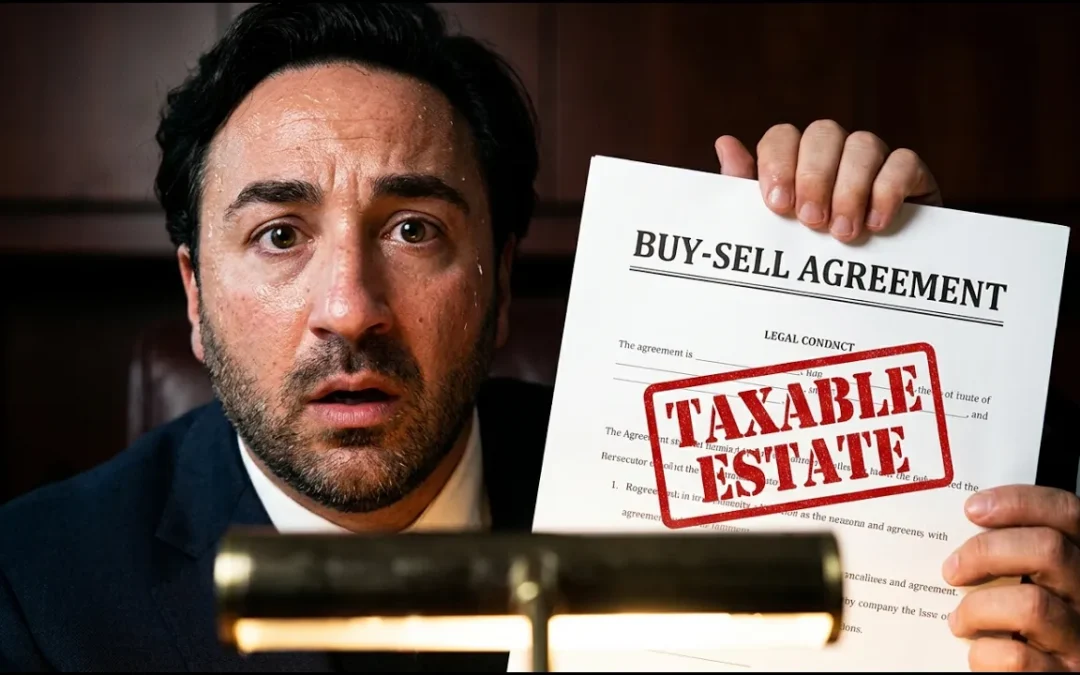
A buy-sell agreement is the document that decides what happens to an owner’s share of the business if that owner dies, becomes disabled, gets divorced, or simply wants out. For a co-owned Johns Creek business, it is one of the most important documents you will ever sign. It is also one of the most commonly neglected. Most were drafted years ago, often when the business was worth a fraction of what it is worth now, and then filed away.
This is not a recommendation to make any specific change to your agreement. That is a conversation for your attorney, your CPA, and your financial advisor together. But these are the parts of a buy-sell agreement that most often turn out to be missing, outdated, or unfunded — and the ones worth checking before a triggering event forces the question.
First: What a Buy-Sell Agreement Is Actually For
A buy-sell agreement is a contract among the owners of a business that controls how an ownership interest changes hands. It answers three questions in advance: what events trigger a buyout, what the departing owner’s share is worth, and how the remaining owners pay for it. The reason it matters so much for a co-owned business is that the alternative is chaos. Without a clear agreement, the death of a partner can leave you in business with that partner’s spouse or estate. A disability can leave you carrying an owner who can no longer work but still owns half the company. A divorce can put a portion of the business in the hands of a former spouse. The buy-sell agreement is what keeps the ownership of the company in the hands of the people actually running it. The document itself is straightforward to draft. The problem is rarely that a Johns Creek business does not have one. The problem is that the one they have no longer reflects the business they actually own.The Piece Most Often Missing: How the Buyout Gets Paid For
A buy-sell agreement can spell out the trigger and the valuation perfectly and still fail at the moment it is needed, because it never answered the most practical question of all: where does the money to buy the departing owner’s share actually come from. An agreement that obligates the surviving owners to buy out a deceased partner’s interest is only as good as their ability to write that check. If a Johns Creek medical practice is worth several million dollars and one of three physician partners dies, the agreement may require the other two to purchase a share worth more than they have in available cash. Without a funding mechanism in place, the surviving owners are left choosing between draining the business, taking on debt, or trying to renegotiate terms with a grieving family. There are several ways business owners fund a buyout. Life insurance is the most common for the death trigger, and disability buyout coverage exists for the disability trigger. Some owners use a sinking fund built up over time, and some structure an installment payout from future business cash flow. Each approach has tradeoffs in cost, tax treatment, and reliability, and the right one depends on the size of the business, the number of owners, their ages, and their health. The point is not which mechanism you choose. The point is that a buy-sell agreement without a funding plan behind it is a promise with nothing standing behind it. This is also one of the clearest examples of why coordination matters. The attorney drafts the agreement. The funding usually sits with an insurance or financial professional. If those two pieces are handled separately and never checked against each other, you can end up with an agreement that requires a buyout the owners have no funded way to complete.The Piece Most Often Outdated: The Valuation Method
The second thing worth checking is how the agreement sets the price. Many older buy-sell agreements use a fixed dollar figure that the owners agreed to years ago and never revisited, or a formula that no longer reflects how businesses in the industry are actually valued today. In a fast-appreciating market like Johns Creek, that is a real problem. A technology or professional services firm that was worth a certain amount when the agreement was signed may be worth substantially more now. If the buy-sell still points to the old number, a departing owner or a deceased owner’s family could be bought out for far less than the share is genuinely worth — or the survivors could be locked into paying far more than the business can support. Either way, someone is treated unfairly by a number nobody looked at in years. The better-structured agreements either require a fresh independent valuation at the time of a triggering event or specify a clear, current method for arriving at value. Checking which one your agreement uses, and when the figure was last updated, is one of the highest-value reviews you can do.The Piece Most Often Overlooked: Triggers Beyond Death
Most owners think of a buy-sell agreement as a death document. Death is the cleanest trigger and the one people plan for first. But the events that actually strain a partnership are often the messier ones. Disability is the obvious example. If one of two Johns Creek business partners has a stroke or a serious accident and can no longer work, the business still has to function, and the disabled owner still owns half of it. A well-built agreement defines what disability means, how long it has to last before the buyout provision activates, and how that buyout is funded. Many agreements are silent on all three. Divorce, personal bankruptcy, and a voluntary exit are the others. Each one can put a share of the company in front of a person the other owners never intended to be in business with. The agreement should address what happens in each case. When it does not, the owners are left improvising during exactly the kind of event where improvising goes badly.When This Is Worth Reviewing
Not every business needs to rush to redo its buy-sell agreement. But a few situations make a review clearly worth the time:- The agreement was signed more than three to five years ago and has not been looked at since
- The business is worth meaningfully more now than when the document was drafted
- The valuation is a fixed dollar figure or an old formula
- You have never confirmed that the buyout is actually funded
- An owner has been added, left, divorced, or had a significant change in health
- The agreement only addresses death and is silent on disability and other exits