
Johns Creek, GA & North Fulton
Business Exit Planning for Owners in Johns Creek, GA
In Johns Creek the buyer often calls before the owner has decided to sell. A dental service organization sends a letter to every practice within five miles of Emory Johns Creek Hospital. A private equity platform rolling up dermatology, orthopedics, or physical therapy makes an approach. A national IT services firm wants the client roster of a Technology Park consultancy. The offer arrives on the buyer’s schedule, and the owner starts making decisions that should have been made two or three years earlier.
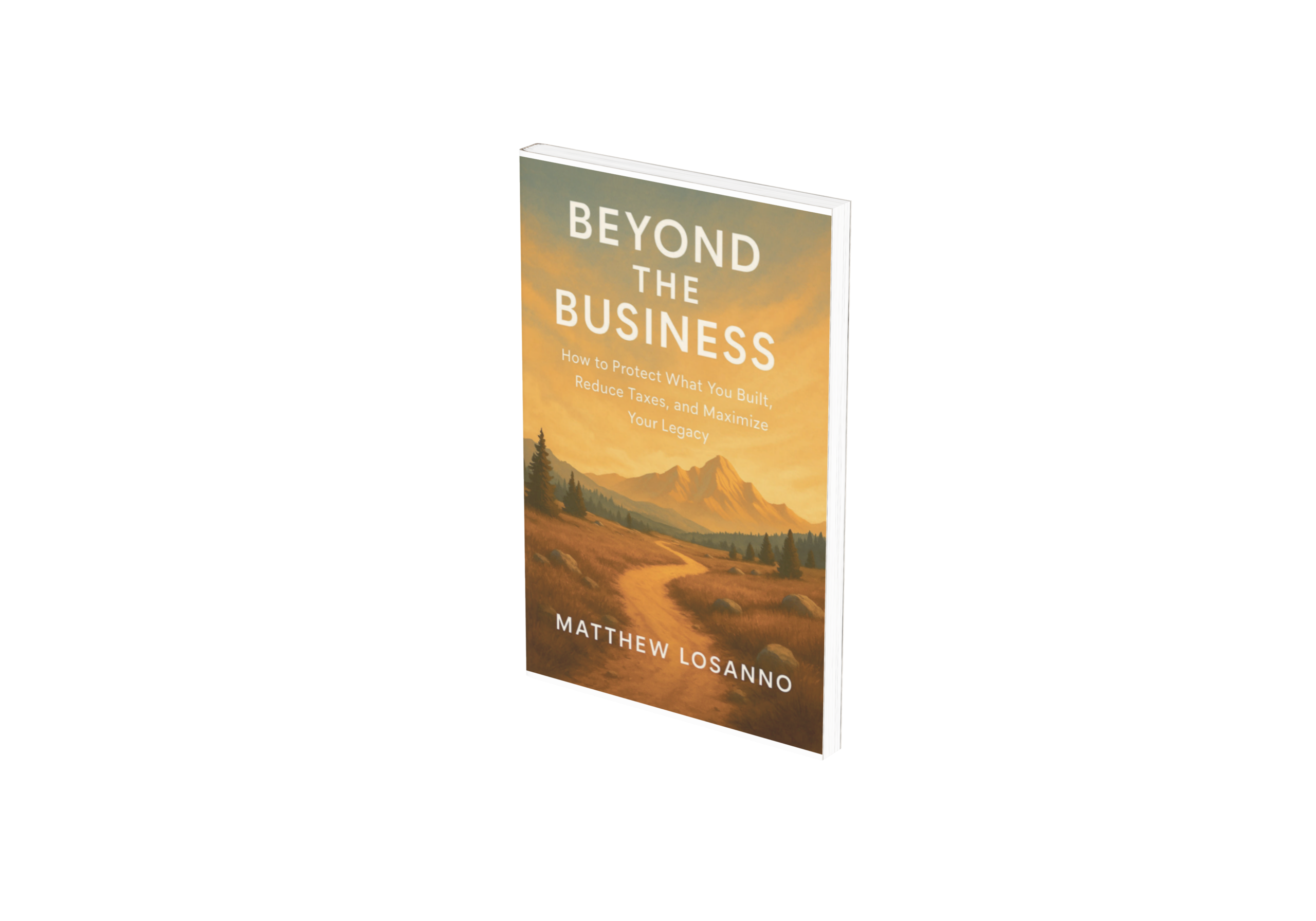
Cinder Wealth is based in Cumming, a short drive north of Johns Creek up Peachtree Parkway, and works with Johns Creek and North Fulton owners on everything that has to be decided before a practice or company changes hands. Matt Losanno’s part is the owner’s side of the deal: how much the family needs the proceeds to produce, what each proposed structure leaves after tax, how the business reads to a buyer, and who has to be involved and when. Cinder does not broker sales or write the legal documents. Matt builds the plan the owner negotiates from and keeps the CPA, the transaction attorney, the valuation professional, and the banker working from the same numbers.
The Johns Creek Exit Picture
The offer is a number. What the owner keeps is a different number.
Johns Creek has 3,620 residents who own and run their own incorporated business, and a large share of those companies are the kind acquirers are actively buying: specialty medical and dental practices, professional and technology services firms with recurring contracts, multi-location franchise operations, and home service companies with a dense route across some of the highest-value residential neighborhoods in the state. Private equity has been buying practices in North Fulton for years, and the Medley development rising on the former State Farm campus will bring more retail and office tenants into the market over the next several years.
A crowded field of buyers is good news and a planning problem at the same time. Terms get put in front of an owner who has not yet worked out what the after-tax proceeds have to cover, how much of the price is equity in a platform the owner will not control, and what the family does if the earnout never pays. All of that can be answered, but not in the two weeks between the letter and the deadline to respond.
3,620
Johns Creek residents self-employed in their own incorporated business, U.S. Census Bureau
7M sq ft
Office and industrial space in the 500-acre Technology Park/Johns Creek
$629,400
Median home value in Johns Creek, 2020 through 2024, U.S. Census Bureau
Local
Cinder Wealth is based in Cumming and works with owners across North Fulton
Who Matt Works With
Johns Creek owners for whom the company is most of the balance sheet
The owners Cinder Wealth serves typically run practices or companies clearing $500,000 a year in profit. The best time to start exit work is three to five years out, but a great deal can still be done for an owner who is already holding a letter of intent.
What these owners share is that the company is the family’s largest asset by a wide margin. Once that is true, the sale is not a business transaction with personal consequences. It is the household’s financial plan, and it deserves to be treated that way.

Practice Owners Fielding Private Equity Offers
Physicians, dentists, and specialty practice owners near Emory Johns Creek Hospital receiving approaches from management service organizations and private equity platforms, who need to know what an offer with rollover equity is actually worth to the household before they respond.
Owners Who Have Picked a Year
Owners who know roughly when they want to be done and now have to get the company, the tax structure, and the household plan ready in time, so the year they chose is the year it happens.
Founders of Technology and Services Firms
Owners of consultancies, engineering firms, and IT services companies in Technology Park whose value sits in contracts and people, where buyer diligence focuses on customer concentration and who stays after the close.
Family and First-Generation Businesses
Owners weighing a sale to an outside buyer against a transfer to a child or a key employee, often in a business the family built after arriving in the country, where price is only one of the things being decided.
Owners Already in Diligence
Owners who signed a letter of intent last month and now have a data room, a quality of earnings review, and sixty days of questions ahead, and who need someone on the personal, tax, and investment side while the deal team handles the transaction.
Exit Planning Areas
What Matt works through with Johns Creek owners
The Number
What the Sale Has to Fund
The first question is not what the company is worth. It is what the family needs the proceeds to do. Matt works out the income the household requires once the paycheck from the business stops, what taxes and fees remove from the price, what the next chapter costs, and what is left to invest. That figure decides whether an offer is worth taking, and owners are surprised by it in both directions.
Readiness
Fixing What a Buyer Will Price Down
Buyers pay less, or hold more back in an earnout, when revenue depends on a few customers or payers, when the owner is the business, when the books need restating, and when the people who matter might leave at close. Each of those takes quarters to fix. Matt helps the owner decide which ones are worth the effort on the timeline they actually have.
Practice Transactions
MSO, DSO, and Platform Deals
A private equity practice deal usually pays part of the price in cash and part in equity of the platform, and it changes the owner from a practice owner into an employed clinician with a contract. Matt models the household result of the cash, the rollover, and the new compensation together, so the owner can compare the offer with staying independent. The attorney and CPA review the terms and the tax treatment.
Deal Structure
Why Two Equal Offers Are Not Equal
Asset sale or stock sale, how the price is allocated among goodwill, equipment, and non-compete, how much is deferred in a seller note, and how much is contingent on performance all change the after-tax result of the same headline number. Matt shows the owner what each version leaves the family. The CPA and transaction attorney advise on what can be negotiated and what it costs.
The Building
Real Estate That Does Not Sell With the Business
Many Johns Creek practices and companies own their space. Whether the property is sold with the business, leased back to the buyer, or kept as family income changes both the price and the plan after the close. Matt runs each version through the household model. The CPA and attorney handle the tax and lease terms.
Tax Sequencing
What Has to Happen Before the LOI
Gifts of company interests, charitable transfers, and certain entity changes have to be finished before a binding agreement exists, and sometimes well before, or the tax authorities treat them as if they happened after. Matt builds the timeline backward from the expected signing date so the CPA and estate attorney have the room they need.
Retained Risk
Earnouts, Seller Notes, and Rollover Equity
Whatever part of the price is paid later, or paid in shares, keeps the owner tied to the outcome of a company someone else now runs. Matt sizes the household plan around the cash that is certain at close and treats the rest as an investment with its own risk. All investing involves risk, including the possible loss of principal.
The Team
Who Does What, and When They Are Brought In
A sale involves a CPA, a transaction attorney, an estate attorney, a valuation professional, and usually a banker or broker. Cinder is not a substitute for any of them and does not run the sale. Matt’s seat is the one that keeps the owner’s personal outcome in front of the group while the others handle their pieces.
Why Lead Time Matters
Most of the value in exit planning is created before the buyer calls
After a letter of intent is signed, the owner is mostly reacting. The moves that change the result by a meaningful amount need months of runway, and a few of them need years.
Price is not the same as proceeds
Fees, escrow, the working capital adjustment, state and federal tax, and whatever is held back for an earnout or paid in platform shares all sit between the headline number and the wire. Two offers at the same price can leave a family in very different positions, and comparing them on price alone is the mistake that costs the most.
The first offer sets the anchor
An owner who already knows what the household needs can evaluate an approach the day it arrives. An owner who does not ends up negotiating against the buyer’s number on the buyer’s schedule. In a market where practices receive several unsolicited letters a year, that preparation is worth doing before the first one arrives.
Some doors close on a schedule
Holding periods, charitable structures, entity elections, and gifts of company interests each have a clock attached. Once an LOI exists, several of them are gone. Part of the review is finding out which ones apply and how much runway each needs.
The plan has to survive the deal falling through
Plenty of deals die in diligence. The company still opens the next morning, and the owner still needs a plan. Readiness work done for a buyer who walked away should leave the business stronger and the next sale easier, not sit as wasted effort.
Based in Cumming
A local advisor for Johns Creek owners heading toward an exit
Cinder Wealth Advisors is based in Cumming, a short drive north of Johns Creek up Peachtree Parkway, and serves owners across Johns Creek, Alpharetta, Duluth, Suwanee, and the rest of North Fulton. Matt Losanno started the firm after seeing the same pattern in owner after owner: a competent CPA, a competent attorney, and a competent broker, none of them responsible for how the pieces added up for the family.
In a sale, adding the pieces up is the whole job. Matt keeps the household model current as the terms move, shows the owner what each version of the deal means for them personally, and gets the tax and legal professionals what they need while there is still time to use it. The first conversation is usually about the company, the timeline, and what the owner wants the money to do afterward.
Cinder Wealth is a fee-based advisory firm. Advisors may earn commissions on some insurance products.

Common Questions
Exit planning questions from Johns Creek owners
Straight answers about what Cinder does in a sale, who else is involved, and how early the conversation is worth having.
Does Cinder Wealth broker the sale or find the buyer?
No. Cinder is not a business broker or an investment bank. It does not market the company, run the process, or negotiate the terms. Matt handles the owner’s side: what the proceeds must fund, how each structure lands on the household, and what has to be done ahead of the deal. He works alongside the broker or banker, the CPA, and the attorney who run the transaction.
How far ahead should a Johns Creek owner start exit planning?
Three to five years out is when the most value can still be created. That is how long readiness work, holding periods, entity decisions, and charitable or estate moves take to complete. Starting later still helps, and so does starting after a letter of intent, but the list of things that can still be changed gets shorter at every step.
A private equity group wants to buy my practice. What should I do first?
Work out what the household needs from a sale, what the cash portion actually leaves after tax, and what the rollover equity and the new employment contract mean for the next five years, all before you respond with a number. An unsolicited offer is a good reason to start planning and a poor reason to hurry a decision. Matt can model the offer against the family’s requirements while the CPA and attorney review the terms.
What is rollover equity and how should I think about it?
In many practice and platform deals, part of the price is paid in shares of the acquiring company rather than cash. That portion is an investment in a business the seller does not control, with liquidity that depends on a future sale of the platform. Matt plans the household around the cash that is certain and treats the rollover as upside, which usually clarifies how hard to negotiate on that point.
What happens to the building if I sell the practice or company?
That is a separate decision with its own tax and income consequences. The property can be sold with the business, leased to the buyer, or kept and rented to someone else. Matt models each version against the household plan. The CPA confirms the tax treatment and the attorney handles the lease or sale terms.
How bad is the tax bill in the year I sell?
For most owners it is the largest single tax event of their lives, and how large depends on the structure and the allocation of the price more than on the price itself. There is far more room to influence it before a letter of intent than after. The CPA calculates and files. Matt makes sure the household has seen the after-tax result of each structure before one is agreed to.
What if the sale falls through?
Deals collapse often enough that the plan should assume it might. Cleaner financials, less dependence on the owner, and documented processes make the company more valuable to the next buyer too. The household plan should be built to work whether or not this particular transaction closes.
We already have an investment banker. Where does Cinder fit?
Next to them. The banker markets the company and negotiates the deal. Matt works on what the deal does to the owner’s family: what the household needs, what each proposed structure leaves after tax, and how the plan holds up under the version on the table. Deal teams are not built to answer those questions, and Cinder is not built to run a sale process.
Talk to Matt
Find out what your exit needs to produce before you need to know
If you own a profitable Johns Creek business or practice and a sale is somewhere on the horizon, start with a conversation about the company, the timeline, and what the proceeds have to do for your family.
Related Pages
The information presented on this page is for educational purposes only and does not constitute personalized financial, tax, or legal advice. Cinder Wealth is not a licensed tax professional and does not provide business brokerage or investment banking services. All strategies discussed should be evaluated with your own CPA, attorney, and qualified financial advisor before implementation. All investing involves risk, including the possible loss of principal. Investment Advisory Services are offered through Csenge Advisory Group, LLC, a registered investment advisor. Cinder Wealth Advisors is not affiliated with Csenge Advisory Group, LLC.