
Roswell, GA & North Fulton County
Business Succession Planning in Roswell, GA
Most established Roswell companies already have a succession plan. It is in a binder, it was drafted a long time ago, and it describes a business that no longer exists. The valuation formula inside it was written when revenue was a third of what it is now. The insurance meant to fund it was sized to match. The children named in it were in high school. Nobody has opened it since, and everyone assumes it still works.
Cinder Wealth works with Roswell and North Fulton families on handing a company to the next owner, whether that is a son or daughter, a partner, or a manager who has been there fifteen years. Matt Losanno models whether the transfer can actually be funded, what it leaves the departing owner to live on, and how the family treats the children who are not in the business. The attorney drafts the documents. The CPA handles the tax.
The Roswell Succession Picture
Old companies carry old agreements
Roswell has been a business community since 1839, and the length of ownership here is the point. Roswell Inc counts more than 210 family-owned or chef-driven restaurants and 16 new car dealerships in the city, and behind those numbers sit distribution firms, agencies, trades companies, and professional practices that have passed through one set of hands for a very long time.
A company that old usually has documents to match. A buy-sell agreement exists, a policy is in force somewhere, and a child has been told the business will be theirs. What is missing is the arithmetic. Whether the successor can pay for it, whether the owner can retire on the proceeds, and whether the rest of the family considers the result fair are three separate questions, and the binder answers none of them.
1839
The year Roswell was founded, and the reason its companies run long
210+
Family-owned or chef-driven restaurants in Roswell, Roswell Inc
16
New car dealerships in Roswell, among the most in metro Atlanta, Roswell Inc
Local
Cinder Wealth is based in Cumming, a short drive up GA-400 from Roswell
Who Matt Works With
Roswell families handing a company to someone they know
Cinder Wealth’s clients typically own companies producing $500,000 or more a year in profit. Succession work generally starts five or more years ahead, because an internal transfer is funded out of the business over time rather than paid at a closing.
The work matters most when the successor is already identified, the owner has not tested whether the numbers hold, and the family has never had the conversation out loud.

Second and Third Generation Family Companies
Businesses already handed down once, where the current owner knows how the last transfer went and wants this one handled better, often with more owners and more opinions in the room than the first time.
Owners Transferring to a Child
Founders whose son or daughter has worked in the company for years and is expected to take it over, where nobody has priced the transfer, funded it, or decided what the other children receive instead.
Dealership and Franchise Owners
Owners operating under a dealer or franchise agreement, where the manufacturer or franchisor has approval rights over any successor and the transfer has to satisfy a third party as well as the family.
Partnerships With Aging Agreements
Co-owners whose buy-sell was drafted years ago with a valuation formula and a funding arrangement that no longer match the company, and where one partner is closer to leaving than the other.
Owners Selling to a Long-Tenured Manager
Companies where a general manager or senior employee is the natural buyer and has the ability to run it but not the capital to purchase it outright.
Succession Planning Areas
What Matt works through with Roswell families
The Existing Agreement
Reading What Is Actually in the Binder
Before anything new is drafted, somebody has to read what is already signed. Old buy-sell language often contains a valuation formula that produces a number nobody would accept today, a funding assumption that was never maintained, and terms that contradict the current estate documents. Matt flags it. The attorney interprets and redrafts.
Can the Successor Pay for It
The Arithmetic Nobody Has Done
An internal transfer is usually funded out of the company’s future profit, which means the business has to carry the payments, the successor’s compensation, and its own needs at the same time. Matt models that cash flow over the transfer period before anyone commits to a price or a schedule.
What the Departing Owner Lives On
Turning the Company Into Retirement Income
A sale to family or to a manager rarely arrives as one payment. It comes as a note, a salary, rent on the building, or a mix. Matt works out whether the total is enough for the household, how reliable each piece is, and what happens to the owner’s income if the business has a poor year.
Fairness Among Children
Equal and Fair Are Different Words
One child has worked in the business for a decade and another has not. Dividing ownership equally can hand control to people who do not run it and resentment to the one who does. Matt models the alternatives, including using other assets or insurance to balance the result. The attorney drafts it.
Valuation
Agreeing on a Number Before Anyone Is Emotional
Families routinely discover that the owner’s figure, the successor’s figure, and a professional appraisal are three different numbers. Getting a defensible valuation early, and agreeing how it will be refreshed, prevents the conversation that ends relationships. Matt coordinates with the valuation professional.
Tax and Structure
How the Transfer Is Actually Done
Gift, sale, a combination, a phased transfer of shares, or a trust each carry different tax consequences for both sides and different timing. Matt models what each does to the household. The CPA determines the treatment and the attorney handles the structure and the filings.
If Something Happens First
The Plan That Has to Work on a Bad Day
Succession assumes time. Disability or death before the transfer is complete leaves the family owning a company they may not be able to run and a buyer who may not be able to pay. Funding arrangements and the documents that trigger them need to be current, not filed in 2004.
The Handoff Itself
Authority Moves Slower Than Ownership
Customers, lenders, suppliers, and staff keep calling the founder long after the paperwork is signed. Deciding in advance what the successor controls, when, and how the founder steps back is the difference between a transfer and a long misunderstanding.
Why the Numbers Come First
Goodwill does not fund a transfer
Succession fails on arithmetic far more often than on intent. Everyone wants it to work, and nobody has checked whether it can.
The business has to carry the payments
An internal transfer is paid for out of future profit. If the schedule is set without modeling what the company can actually produce while also paying the successor and funding itself, the plan puts the business under strain in exactly the years it is changing hands.
An old agreement is worse than none
A buy-sell with a stale formula, unmaintained funding, or terms that conflict with the current estate documents will be enforced as written on the worst possible day. Reviewing what is already signed is the cheapest work available.
The retiring owner’s income is the quiet risk
When a founder is paid over years by the company they just handed over, their retirement depends on the successor’s performance. That exposure is manageable, but only if someone has named it and planned around it rather than assuming it away.
The family conversation is part of the plan
Siblings who learn the arrangement after it is documented tend to respond to the surprise as much as the substance. Sequencing those conversations is as much a part of the work as the structure itself.
Based in Cumming
A local advisor for Roswell families planning the handoff
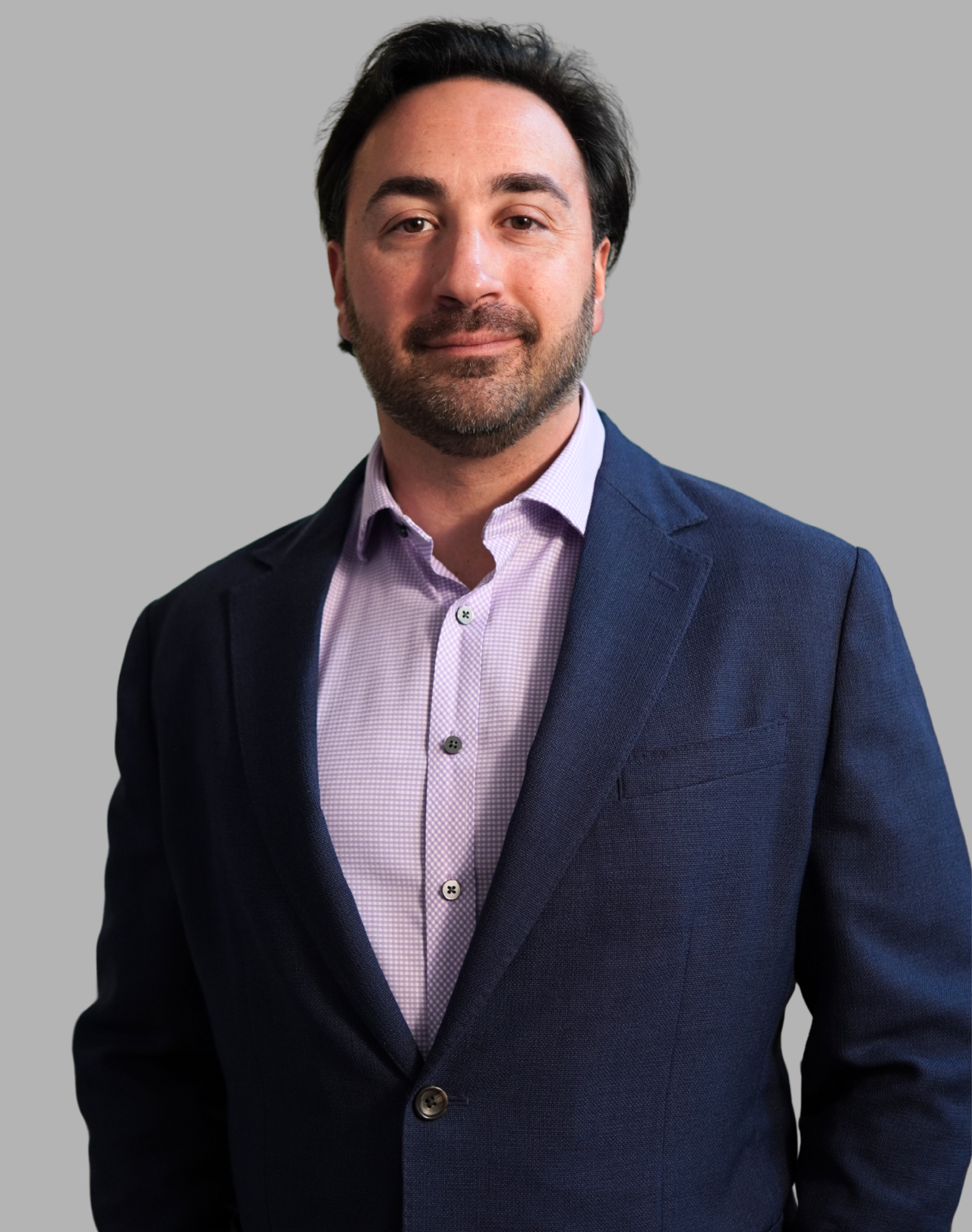
Cinder Wealth Advisors is based in Cumming and works with business owners across Roswell, North Fulton County, and the GA-400 corridor north of Atlanta. Matt Losanno built the firm for families whose company is most of what they own and whose advisors each hold one piece of the answer.
In succession work Matt is the person doing the arithmetic and keeping the conversation honest. He models whether the transfer can be funded, what it leaves the founder, and what it means for each child, then brings that to the attorney who drafts and the CPA who determines the tax. Most families begin with a review of the documents that already exist and the numbers behind them.
Cinder Wealth is a fee-based advisory firm. Advisors may earn commissions on some insurance products.
Common Questions
Succession questions from Roswell families
What the work covers, who drafts what, and how early a family should begin.
We already have a buy-sell agreement. Is that enough?
It is a starting point and it is worth reading carefully. Most agreements on older companies contain a valuation method that no longer produces a sensible number, funding that was never kept current, or terms that conflict with the estate documents. Matt flags what does not hold up. The attorney redrafts.
How early should a Roswell owner start?
Five years or more when the transfer is internal, because it is funded out of the company’s profit over time rather than paid at a closing. Starting later is still worth doing, it simply narrows the structures that remain available.
My daughter runs the business day to day. Do I sell it to her or give it to her?
Both happen, and often a combination. A sale can fund the founder’s retirement, a gift can move value out of the estate, and the right mix depends on what the household needs to live on and what the other children receive. Matt models the versions. The CPA and attorney determine the tax and the structure.
One child works in the company and two do not. How do we keep it fair?
By separating control from value. The child running it generally needs the ownership and the authority, and the others can be balanced with other assets, with insurance, or with a share that carries economics but not control. Matt models the outcomes so the family is choosing rather than guessing.
Our general manager wants to buy it but has no money. Is that workable?
Frequently, yes. These transfers are usually funded by the company’s future profit through a note, a phased purchase, or an arrangement tied to performance. The question is whether the business can carry the payments and still run well. That is arithmetic, and it should be done before any promise is made.
We operate under a franchise agreement. Does that change things?
It can change a great deal. Many dealer and franchise agreements give the manufacturer or franchisor approval rights over a successor, along with training, capital, and facility requirements. Those conditions have to be understood before the family settles on a plan, because a third party effectively holds a vote.
What happens if I die before the transfer is finished?
That is exactly what the funding arrangements and the documents are for, and it is the part most often out of date. Matt reviews whether what is in place today would actually do what the family expects, and the attorney updates the documents.
Does Cinder Wealth draft the agreements?
No. The attorney drafts everything and the CPA determines the tax treatment. Matt does the financial modeling, coordinates the professionals, and makes sure the plan the family signs is one the numbers actually support.
Talk to Matt
Find out whether the plan in the binder still works
If your Roswell company is heading to a child, a partner, or a manager, the first useful step is checking whether the existing documents and the numbers agree. Start with the free tax assessment or schedule a review with Matt.
Related Pages
The information presented on this page is for educational purposes only and does not constitute personalized financial, tax, or legal advice. Cinder Wealth is not a licensed tax professional. All strategies discussed should be evaluated with your own CPA, attorney, and qualified financial advisor before implementation. All investing involves risk, including the possible loss of principal. Investment Advisory Services are offered through Csenge Advisory Group, LLC, a registered investment advisor. Cinder Wealth Advisors is not affiliated with Csenge Advisory Group, LLC.