
Dawsonville, GA & Dawson County
Business Succession Planning in Dawsonville, GA
In Dawson County the successor is usually already on the payroll. The son who has run the second crew since he was nineteen. The foreman who has been there through three trucks and two recessions. The daughter who took over the office and quietly started running the company. The owner knows who should have it. What has not been worked out is how that person pays for a business now worth more than anyone imagined, what the other children get, and what happens if the owner is not around to finish the plan.
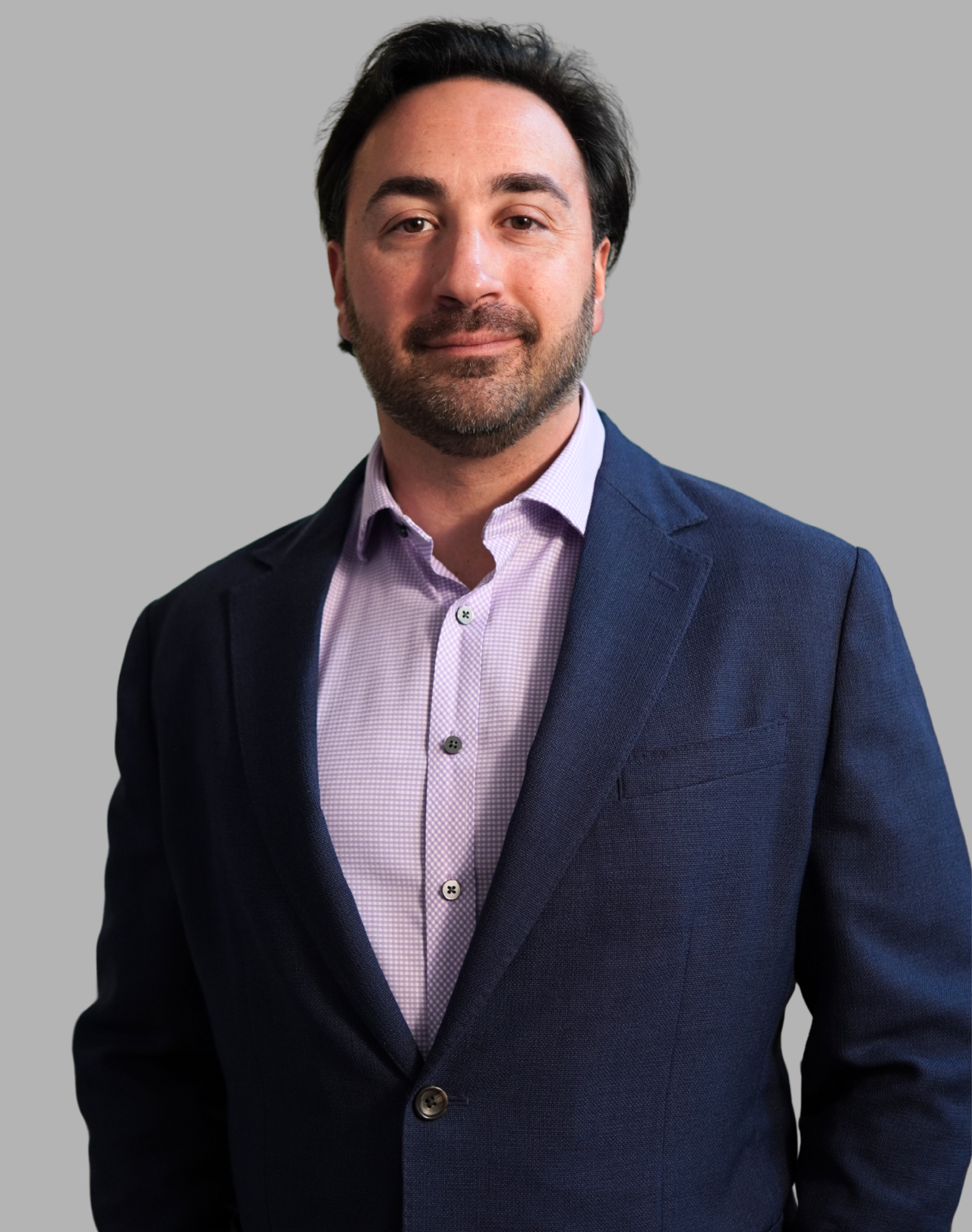
Cinder Wealth is based in Cumming, a few exits south on GA-400, and works with Dawsonville and Dawson County owners handing a company to family, a partner, or a long-time employee. Matt Losanno runs the numbers for both parties at once: whether the founder can live on what the transfer pays, and whether the successor can pay it without starving the business. Cinder does not write the agreements or set the valuation. Matt builds the financial plan the agreements rest on and keeps the attorney, the CPA, and the valuation professional working from one set of facts.
The Dawson County Succession Picture
The foreman can run it. He cannot write the check for it.
Dawson County has 559 residents who run their own incorporated company and 921 employer businesses, a large share of them trades and service companies built by one person over twenty or thirty years. Growth has made those companies worth far more than they were when the founder started thinking about handing them down, and it has also made the land under the shop worth more than the shop.
The money to buy the company has to come out of the company. A son, a daughter, or a foreman does not have the cash, so the founder ends up carrying the note, working longer than planned, and living on payments that depend on how well the new owner runs things. Plenty of Dawson County businesses have changed hands exactly that way and it has worked. It works because someone planned it years ahead instead of improvising it the year the founder was ready to quit.
559
Dawson County residents self-employed in their own incorporated business, U.S. Census Bureau
921
Employer establishments in Dawson County, 2023 County Business Patterns
$92,991
Median household income in Dawson County, 2020 through 2024, U.S. Census Bureau
Local
Cinder Wealth is based in Cumming, a few exits south on GA-400
Who Matt Works With
Dawsonville owners passing the company to someone already inside it
Cinder Wealth works with owners whose companies earn $500,000 or more a year in profit and who plan to hand the business to a child, a partner, or a key employee instead of selling to a stranger.
The work needs five years or more of runway. A staged buy-in, the founder’s retirement income, the estate plan for the children outside the company, and the agreements that protect everyone simply take that long to arrange.

Family Trades and Contracting Companies
Grading, building, HVAC, plumbing, electrical, and landscape businesses where a son or daughter runs the crews and the founder is ready to step back but not to give the company away.
Owners Selling to a Long-Time Foreman or Manager
Owners of service and hauling companies transferring to the person who has run the schedule and the crew for a decade but cannot write the check to buy the business.
Families With a Business and Land Under It
Owners whose estate includes both a company and the acreage it sits on, where treating the children fairly means deciding who gets the business, who gets the land, and how the values are balanced.
Restaurant and Retail Families on the 400 Corridor
Multi-generation restaurant and retail operators near the outlets, with leases, franchise agreements, and family members on payroll that shape what a transfer can look like.
Partnerships With an Old Buy-Sell
Two- and three-owner companies whose agreement was drafted at formation and no longer matches the value, the ownership split, or the insurance that was supposed to fund a buyout.
Succession Planning Areas
What Matt works through with Dawsonville owners and successors
The Seller’s Side
Living on Payments From the Company
The founder in an internal transfer is paid over years, not at a closing, so retirement depends on the company doing well under someone else. Matt projects the household’s income under the proposed terms, and under a version where payments come in late, so the owner knows before signing whether the plan holds up.
The Buyer’s Side
Where the Successor’s Money Comes From
A note from the seller, a bank or SBA loan, a smaller salary for a few years, and a share of future profit, usually combined. Matt checks whether the company can carry that debt and still pay the successor a living wage. The CPA and lender confirm the structure.
Staged Transfers
A Percentage at a Time
Handing over ownership in steps sets the price, the schedule, and the change in pay at each stage. Done well it protects the founder’s retirement and keeps the successor out of a deal that does not pay. Matt works the numbers for both sides. The attorney drafts the agreement and the valuation professional sets the price.
Valuation
A Price the Buyer, the Seller, and the IRS Accept
A transfer to a child or an employee needs a figure that survives an audit, that the buyer can actually pay, and that the seller can retire on. Cinder does not perform valuations. Matt explains what the number means for each side and coordinates with the valuation professional and the CPA.
The Equipment and the Land
What Transfers With the Company
In a trades business the fleet and the yard can be worth as much as the company. Whether the successor buys the equipment, leases the shop from the founder, or eventually buys the land too changes both the price and the founder’s retirement income. Matt models the versions. The CPA and attorney set the terms.
Buy-Sell Agreements
Signed at Formation, Never Read Since
Most Dawson County partnerships have a buy-sell agreement from the year the company started, when it was worth a fraction of what it is now. Matt walks the owners through the triggers, the valuation method, and the funding so the attorney can rewrite the document to fit the company that exists today.
Funding the Agreement
What Happens on the Worst Day
An agreement requiring the surviving owners to buy a deceased partner’s share is worth exactly what they can pay for it. Life and disability buyout coverage, a cash reserve, and an installment structure each cost something and are taxed differently. Matt compares them. Advisors may earn commissions on some insurance products, and Matt will say so before anything is put in place.
Family Fairness
The Company, the Land, and the Other Children
When one child runs the business, giving every child an equal share puts control in the hands of people who are not in it. Dawson County families usually have land and a homeplace to balance with, along with life insurance or other assets. Matt lays out the ways to treat everyone fairly. The estate attorney drafts the documents.
Why Internal Transfers Are Harder
Handing the company to family is not the easy option
A stranger arrives with a loan and a closing date. A son or a foreman arrives with ability and no money, and the founder ends up being the bank, the teacher, and the retiree all at once.
Nobody inside the company can pay cash
A child or a foreman almost never has the money to buy a profitable business outright. The seller, a lender, or the company itself finances it over years, and the founder’s retirement rides on that financing holding up.
A buy-sell without funding is just paper
If the agreement calls for a buyout and there is no insurance, reserve, or financing behind it, the surviving owners are left choosing between draining the company and renegotiating with a widow. The funding is what makes the document real.
Managing and owning transfer on different days
A successor can run the crews long before owning a share, and can own most of the company while the founder still makes the calls. Putting in writing what changes hands when, and what the founder’s role and pay look like at each stage, heads off the arguments that break these deals.
More than two people have a say
Spouses, the siblings who are not in the business, and children who assumed equal treatment all have opinions, and in Dawson County the land is usually at the center of them. A plan that only satisfies the two people signing it seldom survives Thanksgiving.
Based in Cumming
A local advisor for Dawsonville owners planning a handover
Cinder Wealth Advisors is based in Cumming, a few exits south on GA-400, and serves business owners across Dawsonville, Dawson County, Dahlonega, and the Highway 400 corridor. Matt Losanno built the firm around one observation: an owner’s CPA, attorney, and broker each do good work, and nobody’s job is how it all fits together for the family.
Nowhere does that matter more than succession, where every piece depends on another. The price sets the founder’s retirement, the financing sets the successor’s pay, and the estate plan sets what the other children receive. Matt keeps the whole thing in one model and makes sure the attorney, the CPA, and the valuation professional are working from the same facts. The first meeting is usually about who the successor is and how much of the plan actually exists.
Cinder Wealth is a fee-based advisory firm. Advisors may earn commissions on some insurance products.
Common Questions
Succession questions from Dawsonville owners
Straight answers about family transfers, employee buy-ins, buy-sell agreements, and where Cinder fits next to the attorney and the CPA.
Is succession planning the same as selling the business?
Not really. A sale to an outsider is paid at closing and the owner walks away. A succession hands the company to someone already in it, is usually paid over years, and keeps the founder involved through the handover. The money questions overlap; the financing, the timeline, and the family politics do not.
My foreman could run the company tomorrow but has no money. Can he still buy it?
Yes, and that is the normal case. Nobody inside a company has the cash to buy it outright. The seller carries a note, a bank or the SBA lends, or the company pays for itself out of profit over several years. The real question is whether the business can support that debt and still pay the foreman a living and the founder a retirement at the same time.
How do we set a price for a transfer to my son or daughter?
Have a valuation professional set it. If a parent sells to a child below what the business is worth, the IRS treats the difference as a gift, so the number has to hold up. Cinder does not do valuations. Matt translates the figure into what it means for the founder’s retirement and the child’s payments, and works with the valuation professional, the CPA, and the estate attorney.
One child gets the business. What do the others get?
Something other than a piece of a company they will never work in. In Dawson County that is often the land or the homeplace, sometimes other savings, sometimes a life insurance policy sized to even things out, so the child running the business owns it outright and the others are treated fairly. Matt works out the combinations. The estate attorney puts the plan in writing.
Should the successor buy the shop and the land too, or just the business?
That is a separate decision. Many founders keep the property and lease it to the successor, which gives the founder retirement income and keeps the purchase price manageable, with an option to buy the land later. Matt models the versions. The CPA and attorney set the terms.
Our buy-sell agreement is from when we started. Does it still hold up?
Almost certainly not without a review. It was signed when the company was worth a fraction of today’s value, and it probably uses a fixed price or a formula that no longer fits. The triggers, the valuation method, and the funding all need a fresh look so the attorney can update it.
How far ahead should a Dawsonville owner start?
Five years out is about right, and more is better. Bringing the successor along, staging the buy-in, setting up the note, and getting the estate and insurance pieces in place all take time. It can be done faster, but every year cut from the schedule removes options and adds risk for both sides.
What if the successor backs out partway through?
It happens, so the plan should expect it. A staged transfer, clear terms for shares already bought, and a company that could still be sold to an outsider all protect the founder if the handover stalls. The attorney writes those provisions in. Matt keeps the financial plan workable either way.
Talk to Matt
Find out whether the handover you have in mind can be funded
If you own a Dawson County company and already know who should take it over, start with a conversation about the timeline, the price, and how both sides of the transfer get paid.
Related Pages
The information presented on this page is for educational purposes only and does not constitute personalized financial, tax, or legal advice. Cinder Wealth is not a licensed tax professional, does not draft legal documents, and does not perform business valuations. All strategies discussed should be evaluated with your own CPA, attorney, and qualified financial advisor before implementation. All investing involves risk, including the possible loss of principal. Investment Advisory Services are offered through Csenge Advisory Group, LLC, a registered investment advisor. Cinder Wealth Advisors is not affiliated with Csenge Advisory Group, LLC.