
Dawsonville, GA & Dawson County
Liquidity Event Planning in Dawsonville, GA
The most common liquidity event in Dawson County right now is a land sale. Forty acres a grandfather bought for pasture sit a mile from a new subdivision, and a developer has made an offer with more zeros than the family has ever seen on one piece of paper. The second most common is a business sale, as consolidators work their way up GA-400 buying the trades companies that grew with the county. Either way, decades of value turn into cash in a single tax year, and the family has a few months to make decisions it has never faced.
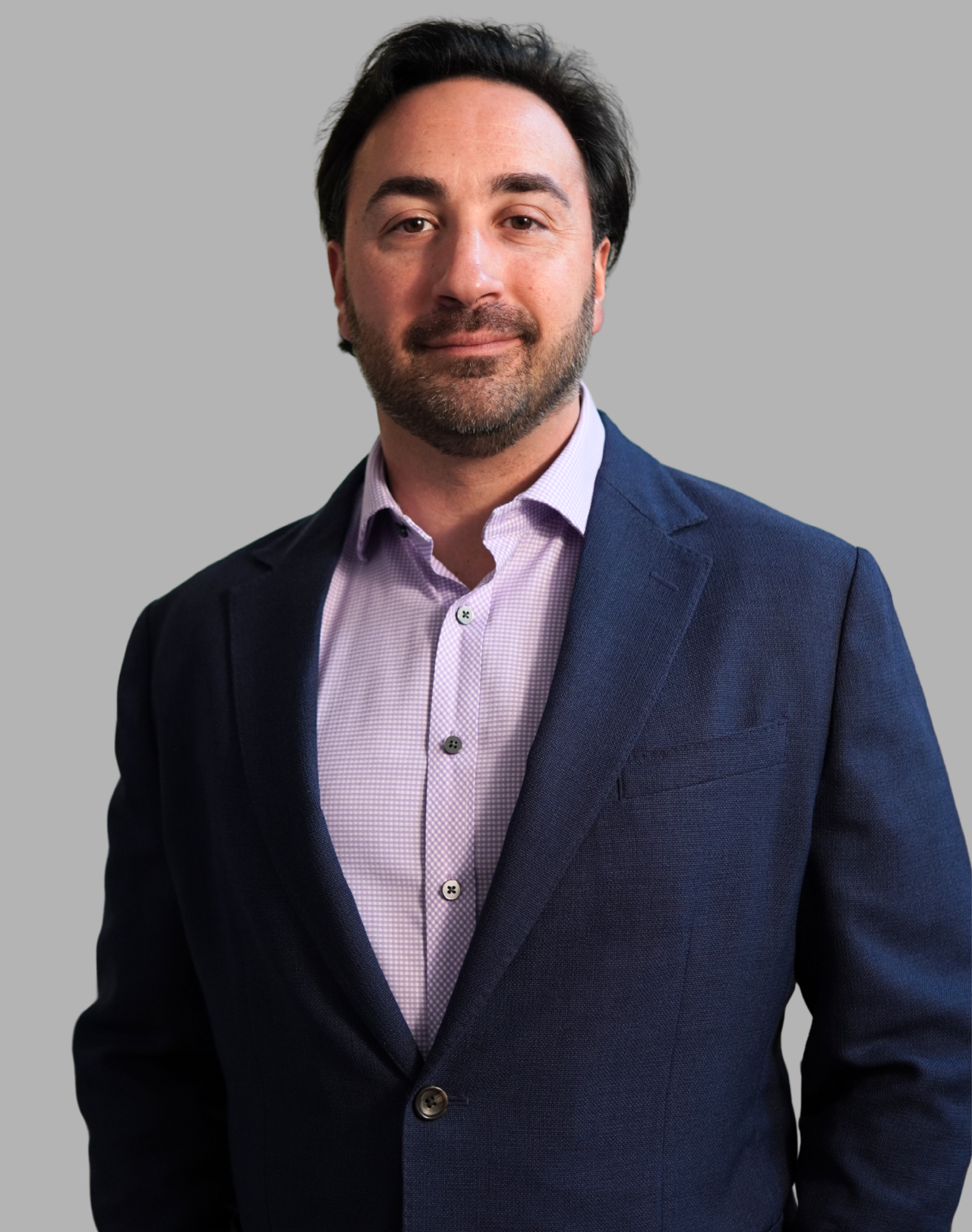
Cinder Wealth is based in Cumming, a few exits south on GA-400, and works with Dawsonville and Dawson County families through that stretch, from the first offer to the first year after the money lands. Matt Losanno concentrates on four things: the true after-tax number, the moves that are worthless unless they happen before the contract, what to do with the proceeds once they arrive, and how much of the money should be walled off and left alone. Cinder does not file returns or draft documents. Matt builds the plan and gets the CPA and attorney working from it.
The Dawson County Liquidity Picture
Growth is turning old land and old companies into new money, fast.
Dawson County issued 1,069 building permits in 2025 and its population grew 32 percent in five years. Every one of those subdivisions started as someone’s farm, timber tract, or family homeplace, and the median home value has climbed to $406,700. At the same time, the grading, building, mechanical, and landscape companies that served the growth have become worth buying, and their owners are getting letters from consolidators and larger contractors from Cumming and Gainesville.
Each of those events lands in a single filing year, and each comes with a deadline. What can still be done depends on whether the contract is signed, what the family actually paid for the land decades ago, and whether the estate documents were updated before the transfer rather than afterward.
1,069
Building permits issued in Dawson County in 2025, U.S. Census Bureau
$406,700
Median home value in Dawson County, 2020 through 2024, U.S. Census Bureau
1,445
Dawson County households with income of $200,000 or more, U.S. Census Bureau
Local
Cinder Wealth is based in Cumming, a few exits south on GA-400
Who Matt Works With
Dawson County families with one large transaction ahead of them
Cinder Wealth’s liquidity clients are owners, landholders, and families for whom the coming transaction dwarfs everything else on the balance sheet. The earlier the work starts before a contract, the more it can change; even so, a family that has already closed and is sitting on cash still has most of the consequential decisions ahead.
What ties them together is one tax year that resets the family’s brackets, its investment risk, and its estate plan at the same time.

Families Selling Land to a Developer
Households selling farmland, timber, or a homeplace that has been in the family for generations, where the basis is a fraction of the price, part of the tract may stay in the family, and the estate plan was written for a very different net worth.
Owners Selling a Trades or Service Company
Owners of HVAC, plumbing, grading, building, and landscape businesses receiving cash plus platform equity from a consolidator, or cash and a seller note from a larger local contractor.
Families Selling Lake or Mountain Property
Households selling a second home on Lanier, a cabin near Amicalola, or a lot in a mountain community, where the gain, any rental history, and the reinvestment question all arrive together.
Retirees Arriving With a Lump Sum
Couples who sold a home closer to Atlanta, rolled over a career’s worth of 401(k) savings, and moved to Dawson County, now holding more cash and fewer paychecks than at any point in their lives.
Families Receiving an Inheritance
Children inheriting land, a house, an account, or a share of a family business from a parent who never wrote down what was supposed to happen to it.
Liquidity Planning Areas
What Matt works through with Dawsonville families
Before the Contract
What Only Counts If It Comes First
Giving part of the land or the company to children, moving an interest into a charitable vehicle, restructuring the entity, and funding a trust are steps that are generally only respected if they are complete before a binding contract, ideally months before. Matt identifies which ones apply, how long each takes, and the last date each can safely be done.
The Real Number
What Reaches the Family
Closing costs, commissions, Georgia and federal tax, recapture on any business use of the property, and anything paid later or contingent on something all come off the top. Matt builds the plan on what the family can count on, which is usually less than the number that has been repeated around the kitchen table.
Land Sales
Basis, Recapture, and the Exchange Question
Selling acreage that has been in the family for decades raises questions few households have answered: what the basis actually is, whether part of the tract was farmed or used by the business, whether to sell all of it or keep the homeplace, and whether a like-kind exchange into income property is worth its constraints. Matt runs the versions. The CPA and attorney confirm the treatment and the deadlines.
Rollover Equity
Being Paid in the Buyer’s Stock
A consolidator that pays a third of the price in platform shares leaves the seller holding a large, illiquid stake in a company other people run. Matt builds the household plan on the cash portion and carries the rollover as the investment it is. All investing involves risk, including the possible loss of principal.
Installment Sales
Taking the Price Over Time
Land and business sales in Dawson County are often paid partly through a seller note or over several years. That spreads the tax but also leaves the family depending on the buyer’s ability to pay. Matt models the cash flow, the risk, and the tax consequences of each payment schedule. The CPA confirms the treatment.
Charitable Timing
Giving Before the Sale Rather Than After
A family that gives to a church or a local cause every year usually does better contributing an interest in the land or the company before the transaction than writing checks after it, and a donor-advised fund lets the deduction land in the high-income year while the gifts go out over time. None of it works once the contract is binding. The CPA confirms the treatment.
The Income Plan
Making the Money Pay the Family
A big balance in the bank is not an income. Matt sets up how much comes out each year, a reserve to carry the household through the next few years regardless of markets, and an allocation for the rest, so the family knows what the money pays annually and not just what it totals.
Estate and Family
What Changes After the Money Arrives
A land or business sale usually pushes a family into estate planning it had never needed. Beneficiary designations, how accounts are titled, whether a trust now makes sense, and how the children who did not get the land are treated all have to match the new picture. Cinder does not draft documents. Matt works with the estate attorney so the plan and the paperwork agree.
Why Timing Decides the Result
The best options are gone the day the contract is signed
In this kind of planning the calendar is everything. A move made before the contract can be worth a great deal. The same move made after it is often worth nothing.
Signing closes most of the doors
Gifts of land or company interests, charitable transfers, and nearly every entity change have to come before a binding agreement to be honored. Afterward, the conversation is only about what to do with the proceeds.
The sale year is its own tax problem
The household passes through brackets it has never seen, crosses the thresholds that raise Medicare premiums, owes estimated payments it has never made, and may face recapture and capital gains at once. Planning that year as a whole costs far less than reacting to each piece.
Selling does not always end the exposure
A seller note, platform shares, or a shop leased back to the buyer keeps the family’s fortunes tied to a company it no longer controls. How much of that to accept should be a decision with a number on it, not an accident of the deal.
Decide before the wire, not after
The month after a large deposit is the worst possible time to figure out what to do with it. The allocation, the reserve, and the rules for spending belong on paper before closing day.
Based in Cumming
A local advisor for Dawson County families before and after the event
Cinder Wealth Advisors is based in Cumming, a few exits south on GA-400, and serves owners, landholders, and families across Dawsonville, Dawson County, Dahlonega, and the Highway 400 corridor. Matt Losanno built the firm around one observation: a family’s CPA, attorney, and investment professional each do their job well, and nobody is responsible for the whole.
A liquidity event is where that gets expensive. Matt builds the family’s model, identifies what must be done before closing, and makes sure the people handling the filings and the documents have what they need in time. The first meeting is usually about what is coming and how many months remain.
Cinder Wealth is a fee-based advisory firm. Advisors may earn commissions on some insurance products.
Common Questions
Liquidity event questions from Dawson County families
Straight answers about what counts, how early to start, and what happens to the proceeds once they arrive.
What counts as a liquidity event for a Dawson County family?
Any one transaction that turns a large illiquid asset into cash: land sold to a developer, a company sold, lake or mountain property sold, a large rollover at retirement, or an inheritance. What they share is a single year that resets the household’s taxes, investment risk, and estate plan together.
A developer made an offer on our land. What should we do before we sign?
Find out what the family actually paid for it and what has been done to it since, because the basis drives the tax. Decide whether any of it stays in the family. Ask whether a gift to children or a charitable transfer should happen first, and whether an exchange into income property makes more sense than cash. Matt organizes those questions. The CPA confirms the treatment and the attorney handles the contract.
How early should I start?
Before anything is signed, and a year out is not too soon. Gifts, charitable transfers, and entity changes are only honored if they are done before the agreement is binding. There is still plenty to do after closing, but it is about the proceeds, not their size.
The buyer wants to pay for our company over five years. Is that a problem?
It spreads the tax, which can help, and it leaves the family depending on the buyer’s ability to keep paying, which is a risk. Matt models the cash flow and the tax of each payment schedule and helps the household decide how much of its plan can rest on money that has not arrived yet. The CPA confirms the treatment and the attorney secures the note.
A buyer is paying part of the price for my company in their stock. How do I treat that?
As a stake in a business you do not run, which only becomes cash if the platform is sold again someday. Matt builds the plan on the cash that is certain and treats the rollover as upside, which usually shows how hard to push for cash at closing.
The money already arrived and it is sitting in the bank. Is it too late?
No. The pre-signing moves are gone, but the income plan, the reserve, the allocation, the estimated payments for the sale year, and the estate updates are all still ahead. Sitting in cash for a long time costs something, and so does investing all of it at once without a written plan.
We inherited the family land. Do we have to decide quickly?
Usually not as quickly as it feels. The property receives a new basis at death, which changes the tax math on any sale, and the estate has its own timeline. Deciding whether to keep, sell, or divide it deserves a plan that includes the rest of the family’s finances. Matt builds that plan and works with the estate attorney and the CPA on the specifics.
Do you hold the proceeds?
Investment advisory services are offered through Csenge Advisory Group, LLC, a registered investment advisor, and assets are held at a third-party custodian. Cinder Wealth Advisors is not affiliated with Csenge Advisory Group, LLC. Matt will explain the arrangement and how he is compensated before anything is implemented.
Talk to Matt
Plan the event before it is already decided
If a land sale, a company sale, a property closing, or an inheritance is on the horizon for your Dawson County family, start with a conversation about what is coming and how much time is left.
Related Pages
The information presented on this page is for educational purposes only and does not constitute personalized financial, tax, or legal advice, or a recommendation to buy or sell any security. Cinder Wealth is not a licensed tax professional. All strategies discussed should be evaluated with your own CPA, attorney, and qualified financial advisor before implementation. All investing involves risk, including the possible loss of principal. Investment Advisory Services are offered through Csenge Advisory Group, LLC, a registered investment advisor. Cinder Wealth Advisors is not affiliated with Csenge Advisory Group, LLC.