
Dawsonville, GA & Dawson County
Business Exit Planning for Owners in Dawsonville, GA
A Dawson County trades business is usually worth less to a buyer than it is worth to the owner, and the reason is the owner. The customers call his cell phone. The bids are in his head. The crew works for him, not for the company. When a private equity-backed HVAC or plumbing consolidator sends a letter, or a larger contractor from Gainesville or Cumming asks about buying the business, the first thing the buyer prices is how much of the company walks out the door with its founder.
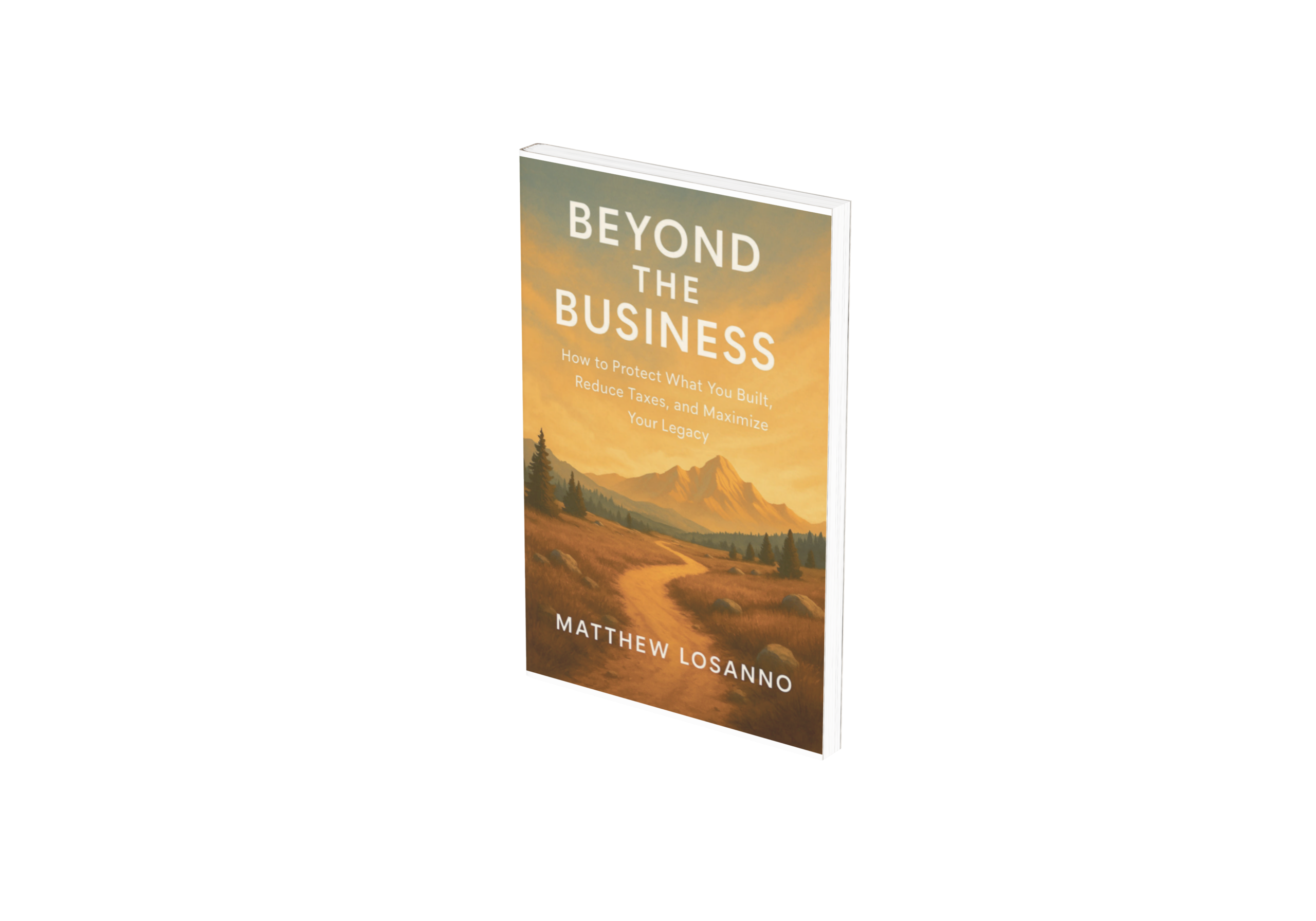
Cinder Wealth is based in Cumming, a few exits south on GA-400, and works with Dawsonville and Dawson County owners on the years before a company is sold. Matt Losanno handles the owner’s side: what the family needs the sale to produce, what each structure leaves after tax, what the business looks like to a buyer today, and who has to be involved and when. Cinder does not broker sales or draft the agreements. Matt builds the plan the owner negotiates from and keeps the CPA, the attorney, the valuation professional, and any broker working from the same numbers.
The Dawson County Exit Picture
Buyers are paying for companies. Most owners here have built a job.
Dawson County has 921 employer businesses and a population that grew 32 percent in five years. The companies that rode that growth, in grading and site work, home building, HVAC, plumbing, electrical, landscaping, and hauling, are exactly what regional acquirers and private equity-backed consolidators are buying across North Georgia right now. Restaurant and retail operators along the outlet corridor on Highway 400 draw a different set of buyers, but the same questions.
The catch is that a buyer pays for what continues after the owner leaves: contracts, recurring service agreements, a manager who runs the schedule, books that tie out, and a crew that stays. A company where all of that lives in the founder’s head sells for a fraction of what the same revenue would bring with two or three years of preparation. That preparation is most of what exit planning is.
921
Employer establishments in Dawson County, 2023 County Business Patterns
559
Dawson County residents self-employed in their own incorporated business, U.S. Census Bureau
No. 9
Dawson County’s rank among the fastest-growing U.S. counties, 2024 to 2025, U.S. Census Bureau
Local
Cinder Wealth is based in Cumming, a few exits south on GA-400
Who Matt Works With
Dawsonville owners who want to sell a company, not just retire from one
The owners Cinder Wealth serves usually run companies clearing $500,000 a year in profit. Exit work does the most good three to five years before a sale, because that is how long it takes to move a business off the owner’s shoulders and onto its own.
What they have in common is a company that is the family’s largest asset by far, often with a shop, a yard, or acreage attached, and no clear answer yet to what the household needs the sale to produce.

Mechanical Contractors Fielding Consolidator Offers
HVAC, plumbing, and electrical companies receiving letters from private equity-backed platforms that pay part of the price in cash and part in equity of the platform, and keep the owner on under contract.
Builders and Site Work Companies With a Date in Mind
Owners in their fifties and sixties who have decided roughly when they want to be done and need the company, the equipment, the tax structure, and the household plan ready by then.
Owners Whose Company Depends on Them
Businesses where the customers, the bids, and the crew all run through the founder, and where the first job is making the company sellable at all.
Restaurant and Retail Operators on the 400 Corridor
Owners of restaurants, franchise units, and retail businesses near the outlets, often with leases, franchise agreements, and family employees that shape what a sale can look like.
Owners Weighing an Outside Sale Against Family
Owners deciding between a strategic buyer and a transfer to a son, a daughter, or a long-time foreman, often with land under the business that complicates what fair means.
Exit Planning Areas
What Matt works through with Dawsonville owners
The Number
What the Family Needs the Sale to Produce
Multiples come later. First the household needs a figure: what it costs to live each year without the business income, what tax and fees take out of the price, and what remains to invest. Matt builds that figure before anything else. It is the only sound basis for judging an offer, and owners are surprised by it in both directions.
Owner Dependence
Moving the Company Off the Founder
When the customers, the bids, and the crew all run through one person, a buyer pays less or holds more of the price back. Developing a manager, writing down how jobs get priced and run, and getting service agreements signed takes two or three years. Matt helps the owner pick which of those to start first on the timeline that actually exists.
Consolidator Deals
Cash, Platform Equity, and the Contract to Stay
A private equity-backed buyer typically pays part of the price in shares of its platform and keeps the owner on under an employment agreement for a few years. Matt puts the cash, the rollover, and the new paycheck into one model so the owner can weigh the offer against staying independent or selling to a local buyer. The attorney and CPA review the terms.
Deal Structure
How the Same Price Nets Different Amounts
An asset sale and a stock sale, the split of the price among goodwill, equipment, and a non-compete, a seller note, and an earnout each produce a different after-tax result from the same headline. Matt shows the owner the versions side by side. What can be negotiated is the transaction attorney’s and CPA’s territory.
The Equipment and the Yard
What Sells With the Business and What Does Not
A grading company’s fleet, a contractor’s shop, and the acreage under it can be worth as much as the company. Selling them with the business, leasing them to the buyer, or keeping them as family income each changes the price and the plan afterward. Matt runs the versions. The CPA and attorney set the tax and lease terms.
Tax Sequencing
Steps That Have to Precede the LOI
Giving shares to a child, moving an interest to a charitable vehicle, or changing the entity generally has to be finished before a binding agreement exists, sometimes months before. Matt counts backward from the likely signing date and gives the CPA and estate attorney a schedule they can actually meet.
Retained Risk
Earnouts, Notes, and Platform Shares
Any part of the price paid later, or paid in stock, keeps the family tied to a company someone else now runs. Matt sizes the household plan on the cash that is certain at closing and carries the rest as an investment with its own risk. All investing involves risk, including the possible loss of principal.
The Team
Who Does What, and When
A CPA, a transaction attorney, an estate attorney, a valuation professional, and often a broker each own a piece of a sale. Cinder does not replace any of them and does not run the process. Matt’s role is keeping the owner’s personal outcome in front of the group while each of them handles their part.
Why Lead Time Matters
The price a Dawson County company brings is mostly decided two years before it sells
By the time a letter of intent is signed, most of what the owner can still change is small. The changes that matter take months, and for a company that still depends on its founder, years.
Price and proceeds are different numbers
Fees, escrow, the working capital adjustment, state and federal tax, and whatever is deferred into an earnout or paid in platform equity all stand between the offer and the wire. Two offers at the same price can leave a family in very different places.
A company that runs without the owner is worth more
Nothing moves the value of a trades or service business more than whether it keeps running when the founder steps back. It is also the slowest thing to change, which is why it has to start long before anyone is talking to a buyer.
Some options expire on a clock
Holding periods, charitable structures, entity elections, and gifts of company interests each carry their own timing rules, and several disappear the moment an LOI exists. Finding out which ones apply is part of the first conversation.
The plan must survive a dead deal
Deals collapse in diligence all the time. The crews go out the next morning and the family still needs a plan. Readiness work done for a buyer who walked away should leave the company stronger and the next sale easier.
Based in Cumming
A local advisor for Dawsonville owners heading toward an exit
Cinder Wealth Advisors is based in Cumming, a few exits south on GA-400, and serves owners across Dawsonville, Dawson County, Dahlonega, and the Highway 400 corridor north of Atlanta. Matt Losanno built the firm around one observation: the owner’s CPA, attorney, and broker each do their job well, and nobody’s job is the family’s overall result.
In a sale, the overall result is the entire point. Matt keeps the household model current as the terms shift, translates each version of the deal into what the family actually ends up with, and gets the tax and legal professionals what they need while it can still influence the outcome. The first meeting usually covers the company, the timeline, and what the owner wants the money to do afterward.
Cinder Wealth is a fee-based advisory firm. Advisors may earn commissions on some insurance products.

Common Questions
Exit planning questions from Dawsonville owners
Straight answers about Cinder’s role in a sale, who else is at the table, and how early to start.
Does Cinder Wealth find the buyer or run the sale?
No. Cinder is not a broker or an investment bank. It does not market the company or negotiate terms. Matt works the owner’s side of the table: what the proceeds have to fund, what each structure does to the household, and what needs to happen before the deal, alongside the broker, the CPA, and the attorney.
My company is a trades business. Is it actually sellable?
Usually yes, and usually for more than the owner expects, provided it can run without them. Buyers pay for recurring service agreements, a manager who runs the schedule, clean books, and a crew that stays. If all of that currently lives in the founder’s head, the first two years of exit planning are about changing that.
How early should a Dawsonville owner start?
Three to five years out, because getting a company to run without its founder, cleaning up the books, and completing entity and estate moves all take that long. Starting later still helps, even after a letter of intent, but the list of what can still be changed shrinks at every step.
A consolidator wants to buy my HVAC or plumbing company. What should I do first?
Work out what the household needs from a sale, what the cash portion leaves after tax, and what the platform equity and the employment agreement mean for the next several years, before you respond with a number. An unsolicited letter is a good reason to start planning and a poor reason to rush. Matt can model the offer against the family’s requirements while the CPA and attorney review the terms.
What about the equipment, the shop, and the land?
Each is its own decision. Equipment usually goes with the business. The shop and the land can be sold with it, leased to the buyer, or kept and rented, and each version has different tax and income consequences. Matt models them against the household plan. The CPA confirms the treatment and the attorney handles the lease or sale.
How large will the tax bill be in the year I sell?
For most owners it is the biggest single tax year of their lives, and the size is driven more by structure and allocation than by price. Nearly all of the room to affect it exists before the letter of intent. The CPA calculates and files. Matt makes sure the family has seen the after-tax result of each structure before agreeing to one.
What if the buyer walks away?
Often enough to plan for it. A company that runs without the owner, with clean books and documented processes, is worth more to the next buyer as well. The household plan should hold whether or not this particular deal closes.
We already have a broker. Where does Cinder fit?
Beside them. The broker markets the company and negotiates. Matt works on what the deal does to the family: what the household needs, what each structure leaves after tax, and how the plan holds up under the version on the table. Brokers are not built to answer those questions, and Cinder is not built to run a sale.
Talk to Matt
Find out what your exit needs to produce before you need to know
If you own a profitable Dawson County company and a sale is somewhere ahead, start with a conversation about the business, the timeline, and what the proceeds have to do for your family.
Related Pages
The information presented on this page is for educational purposes only and does not constitute personalized financial, tax, or legal advice. Cinder Wealth is not a licensed tax professional and does not provide business brokerage or investment banking services. All strategies discussed should be evaluated with your own CPA, attorney, and qualified financial advisor before implementation. All investing involves risk, including the possible loss of principal. Investment Advisory Services are offered through Csenge Advisory Group, LLC, a registered investment advisor. Cinder Wealth Advisors is not affiliated with Csenge Advisory Group, LLC.